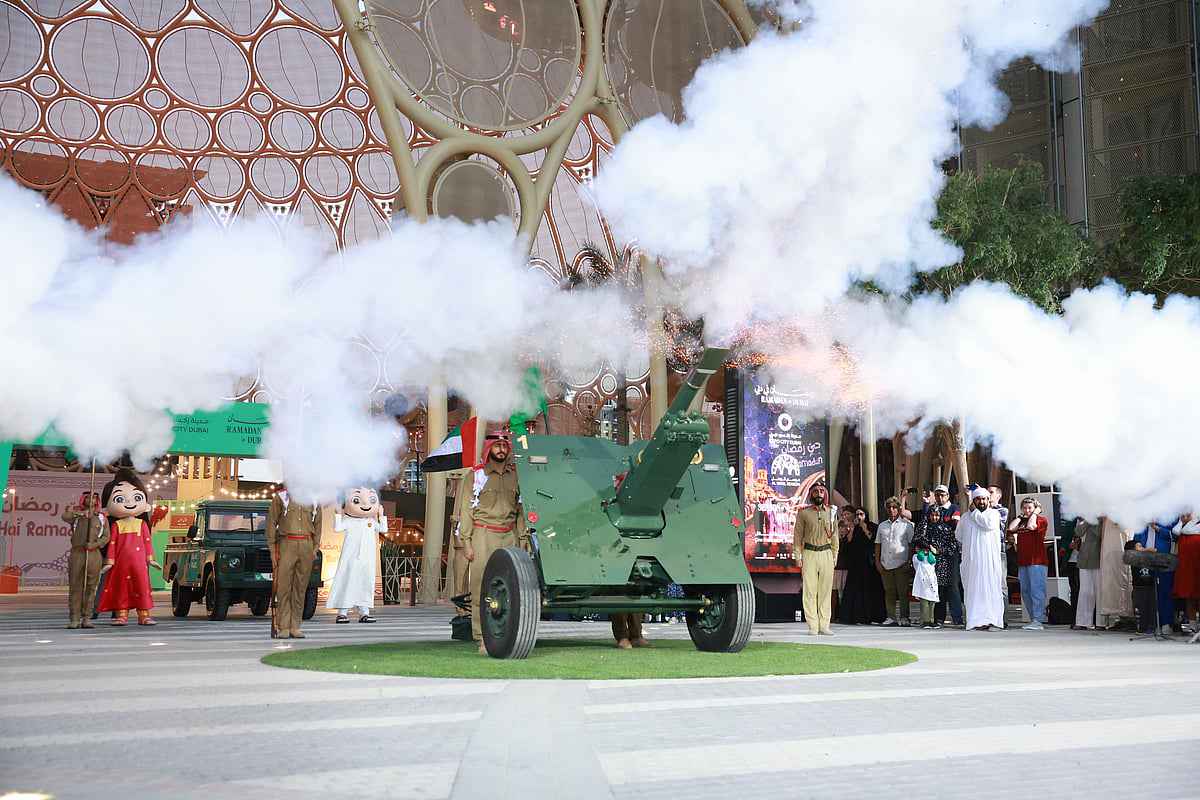
every Ramadan, when the sun sets and the sky darkens, the sound of a cannon firing resonates in the United Arab Emirates. This thunderous sound is the signal that fasting individuals have been waiting for to break their fast and set their tables. While today mosques broadcast the call to prayer precisely to the minute and any smartphone can display the exact sunset time, this tradition continues. The Iftar cannon is more than just a timing device; it brings together both Muslim and non-Muslim people and creates remarkable moments. The roots of the Iftar cannon date back to the 19th century in Egypt and spread from there to other parts of the Middle East and the Gulf. This tradition began in the UAE in the 1930s during the reign of Sheikh Sultan bin Saqr Al Qasimi. The first cannon was placed in Al Hosn Square, in front of the historic Sharjah Fort, so that its sound could be heard by residents of nearby neighborhoods. This beloved tradition not only marks the Iftar but also has a deep connection to the history and culture of the UAE. The firing of the Iftar cannon attracts large crowds every year, and at this moment, one can see happy and expectant faces among the crowd. In fact, this tradition symbolizes solidarity and unity among the people. Over the years, the Iftar cannon has become part of the cultural identity of the UAE and always reminds of the rich history of this land.
The Amazing Tradition of Iftar Cannon in the UAE: From History to Present
Summary: every Ramadan, when the sun sets and the sky darkens, the sound of a cannon firing resonates in the United Arab Emirates. This thunderous sound is the...