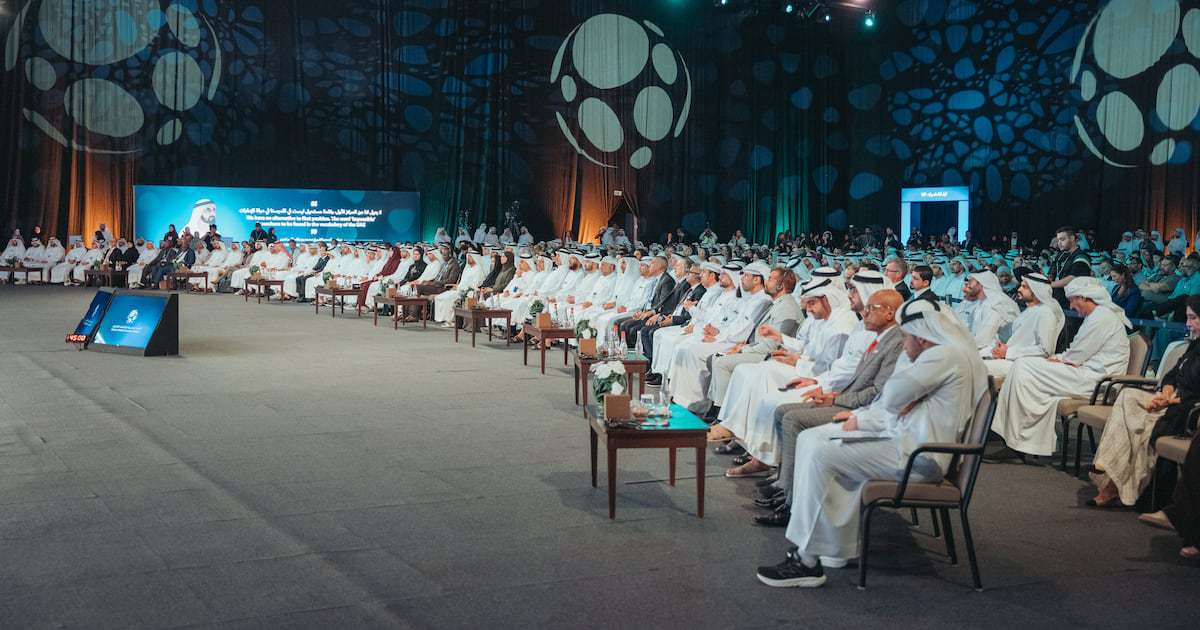
The 12th World Green Economy Summit wrapped up on Thursday at Dubai World Trade Centre, bringing together policymakers, debt-market analysts, fund managers and entrepreneurs to take stock of where the region's green transition is heading.
Figures presented at the gathering showed Gulf states now carry more than $73 billion in outstanding green sukuk and bonds, while the region accounted for 40 per cent of all emerging-market ESG issuance outside China in the first nine months of this year. The World Bank's private-sector arm, the IFC, said it had helped mobilise over $112 billion in private investment so far in 2026, and Abu Dhabi National Oil Company outlined $16.3 billion worth of manufacturing opportunities tied to the energy transition.
Speaking at the summit, Yousif Al Lootah, chief executive of Lootah Biofuels, said regional firms were adapting global expertise to local conditions rather than importing it wholesale. Jonathan Maxwell, founder of Sustainable Development Capital, described Dubai as among the best places in the world to bring climate-finance players together.
The World Bank's regional climate lead, Syed Adeel Abbas, said the shift toward a green economy had passed the point of reversal, while Fitch Ratings' head of Islamic finance, Bashar Al Natoor, pointed to accelerating momentum in sustainable debt issuance year after year.
A recurring theme across panels was that policy consistency, rather than the availability of capital itself, is now the main constraint on faster decarbonisation across the Gulf — a sign that investors see money as ready to move once governments commit to clear, durable rules.