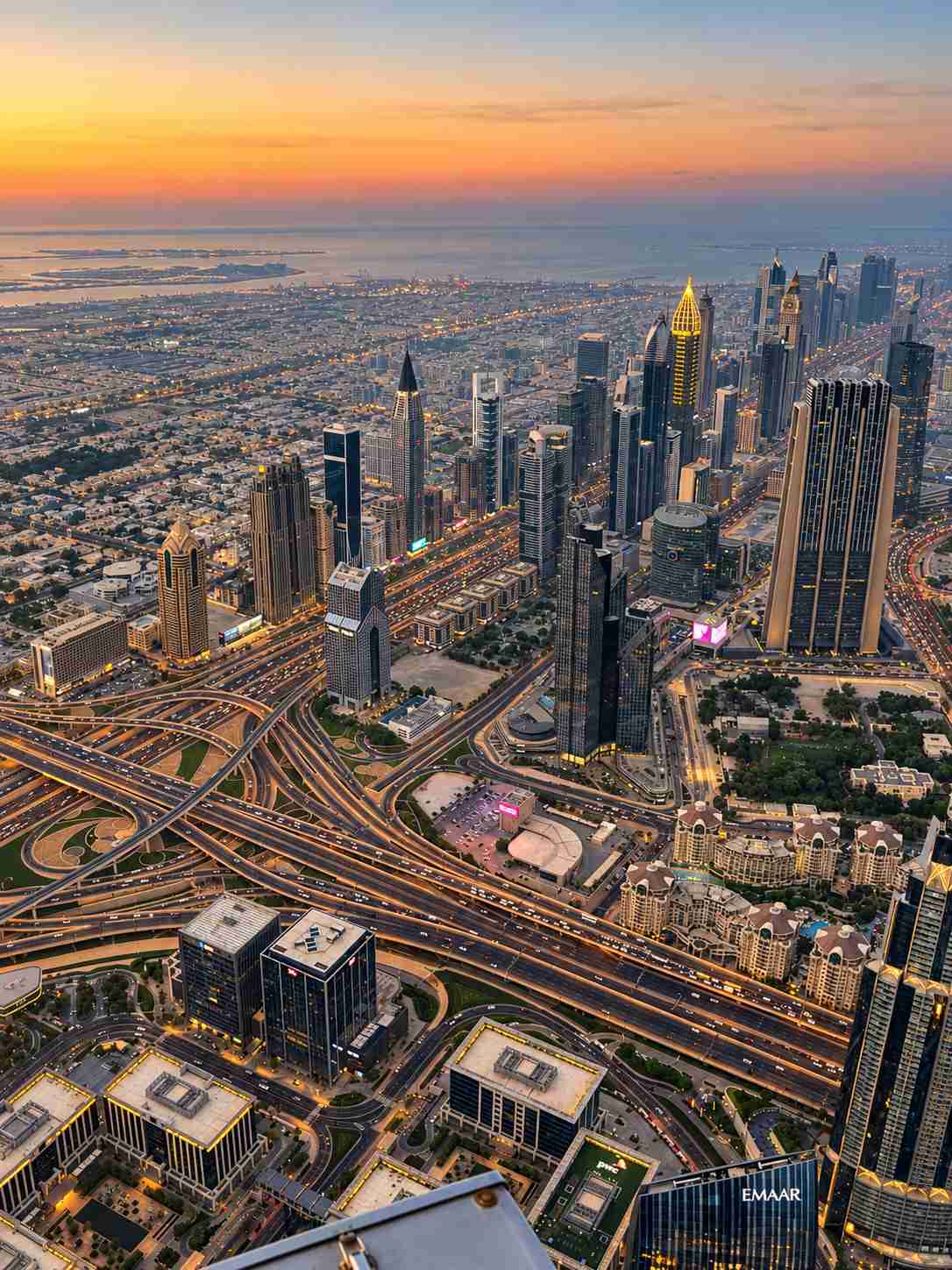
Dubai hosted the conclusion of HSBC's annual Wealth and Investment Summit this week, bringing together regional financial executives and investors to discuss the outlook for Gulf markets. The dominant theme throughout the gathering was resilience — both of the UAE economy and the wider region — amid shifting global conditions.
Joe Little, HSBC Asset Management's global chief strategist, told delegates that resilience was the one message that came through clearly across every panel. Speakers pointed to a structural shift in private banking clientele: a decade ago, roughly 80 to 90 percent of clients were wealthy individuals, whereas today 60 to 70 percent are family offices and personal investment vehicles, reflecting a maturing wealth management market in the Gulf.
New figures presented at the summit underlined Dubai's growth trajectory. The emirate added more than 200,000 residents over the past year, lifting population growth to 7 percent. Its debt-to-GDP ratio has fallen to 11.5 percent, down 85 percent from its pandemic-era peak, while Dubai has climbed to seventh place among the world's financial centres — up from outside the top 20 in 2023.
Surendra Rosha, HSBC's co-chief executive, told the summit that Dubai and the UAE should no longer be seen as a regional hub but as a genuinely global one. Hadi Badri, chief executive of the Dubai Economic Development Corporation, echoed that ambition, describing the emirate's mindset as "as ambitious as ever."
HSBC executives also disclosed that the bank's UAE operations generated roughly $1 billion in incremental deposits for the wider group over the past year, and that the bank now runs more than 600 artificial intelligence use cases in production across its business.