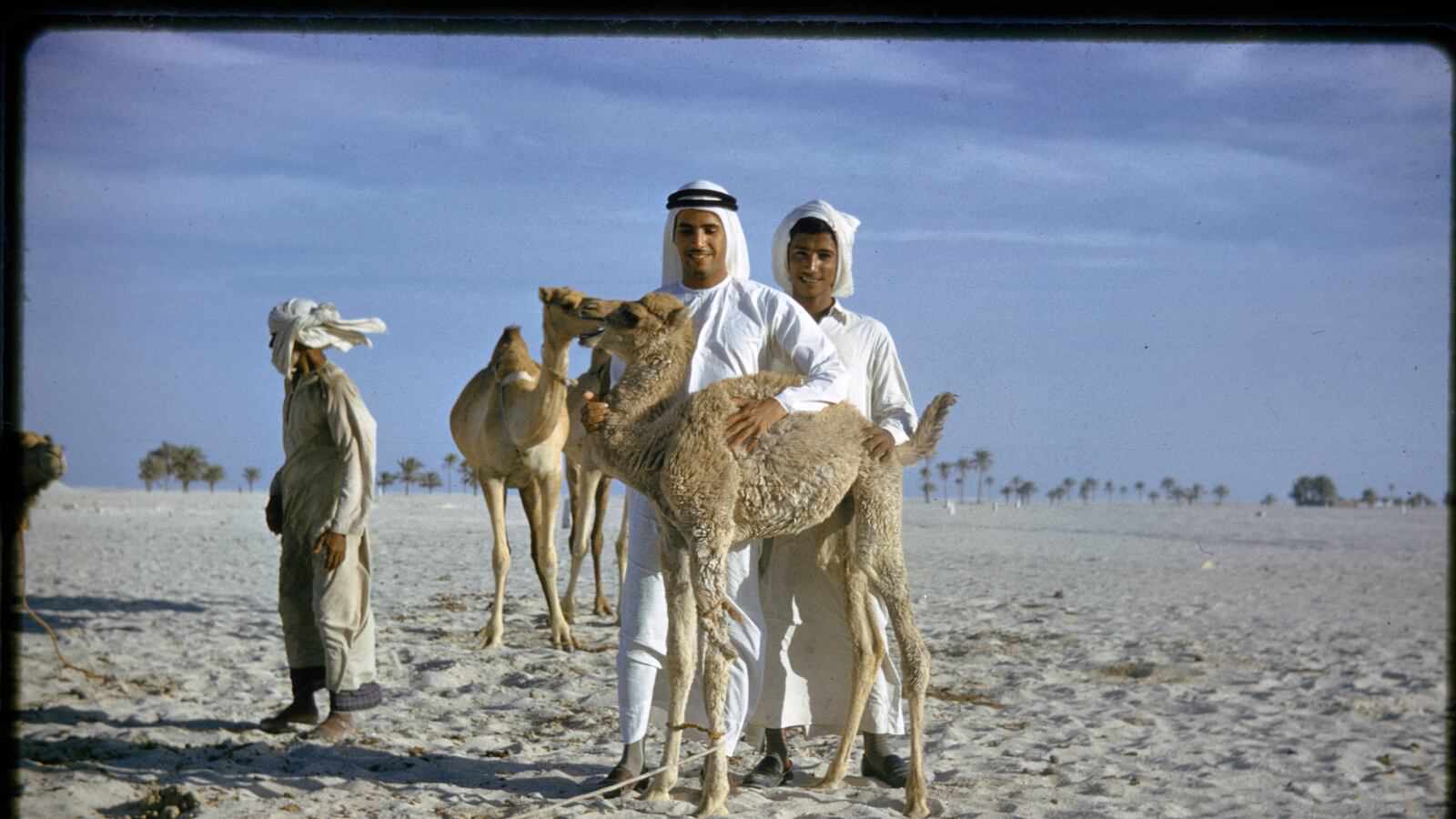
Abu Dhabi's Zayed National Museum will stage its first temporary exhibition, "Tracks Through Time: The Camel in Society, Trade and Art," opening in early December 2026 to coincide with the museum's first anniversary. The show spans more than 7,000 years, charting the camel's role across trade, art and daily life in the region.
Among the highlights is a set of bones from an extinct species of wild camel, unearthed at the Baynunah fossil site and dated to between 4500 and 4000BC, going on public display for the first time. The exhibition also brings together Bronze Age remains from Al Sufouh in Dubai, dating to 2000-1300BC, domesticated camel bones recovered from the Saruq Al Hadid site, and a 3,000-year-old rock engraving of a camel from Fujairah. Other items include a rare 1840s children's book cataloguing camel species, UAE postage stamps featuring camels, and an ancient camel-motif stamp seal from the museum's own holdings.
The exhibition also features recordings of Taghrooda, a form of Bedouin poetry, and Alheda'a, the traditional camel-calling chant - both inscribed on Unesco's list of intangible cultural heritage - alongside archival photographs, film footage and oral testimonies gathered from Emirati camel herders.
Peter Magee, director of Zayed National Museum, said the exhibition "celebrates the camel's profound significance in Emirati culture." Several objects on loan come from the Natural History Museum Abu Dhabi and the Dubai Culture and Arts Authority, part of a wider collaboration across the UAE's heritage institutions to tell the story of an animal long woven into the fabric of life in the Gulf.