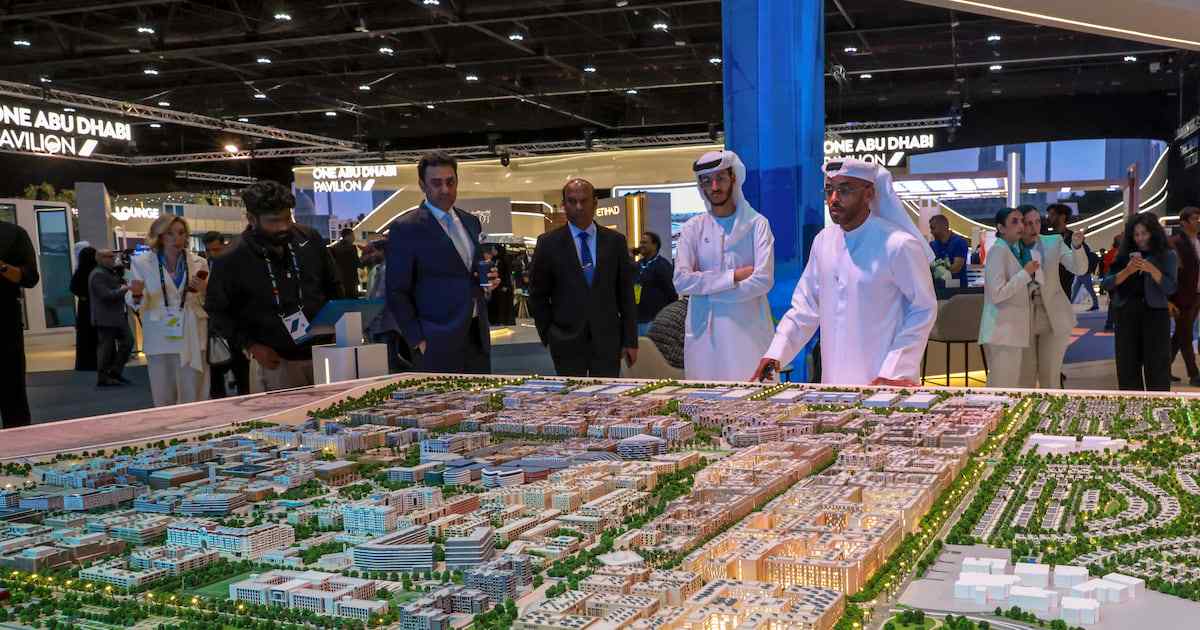
Abu Dhabi's Department of Municipalities and Transport has unveiled a decade-long, Dh240 billion (roughly $65.4 billion) plan to reshape the emirate into a "15-minute city," where residents can reach work, school, healthcare and leisure within a quarter of an hour.
Eisa Almazrouei, director general of the department's Infrastructure Development Directorate, framed the ambition plainly: "We want to make Abu Dhabi the most enjoyable and liveable city in the world." Parts of the plan are already visible on the ground. Two new bridges connecting Reem Island, opened in March, have cut peak-hour travel times by 60 per cent — close to 15 minutes saved for commuters — while handling up to 7,200 vehicles an hour.
Beyond road infrastructure, the emirate has added 350 new parks and more than doubled its cycling network, from 900km to over 2,000km. Shaded walking corridors and expanded public transport are also part of the push to cut car dependency and rein in urban sprawl.
Autonomous vehicles sit at the centre of the longer-term vision, with Saadiyat Island, Yas Island and Al Maryah Island earmarked as key testing and rollout zones. Masdar City, which has run driverless vehicles since 2006, has already carried more than three million passengers and serves as the model the wider plan is building on. If the timeline holds, the way people move around Abu Dhabi day to day is set to look markedly different within ten years.