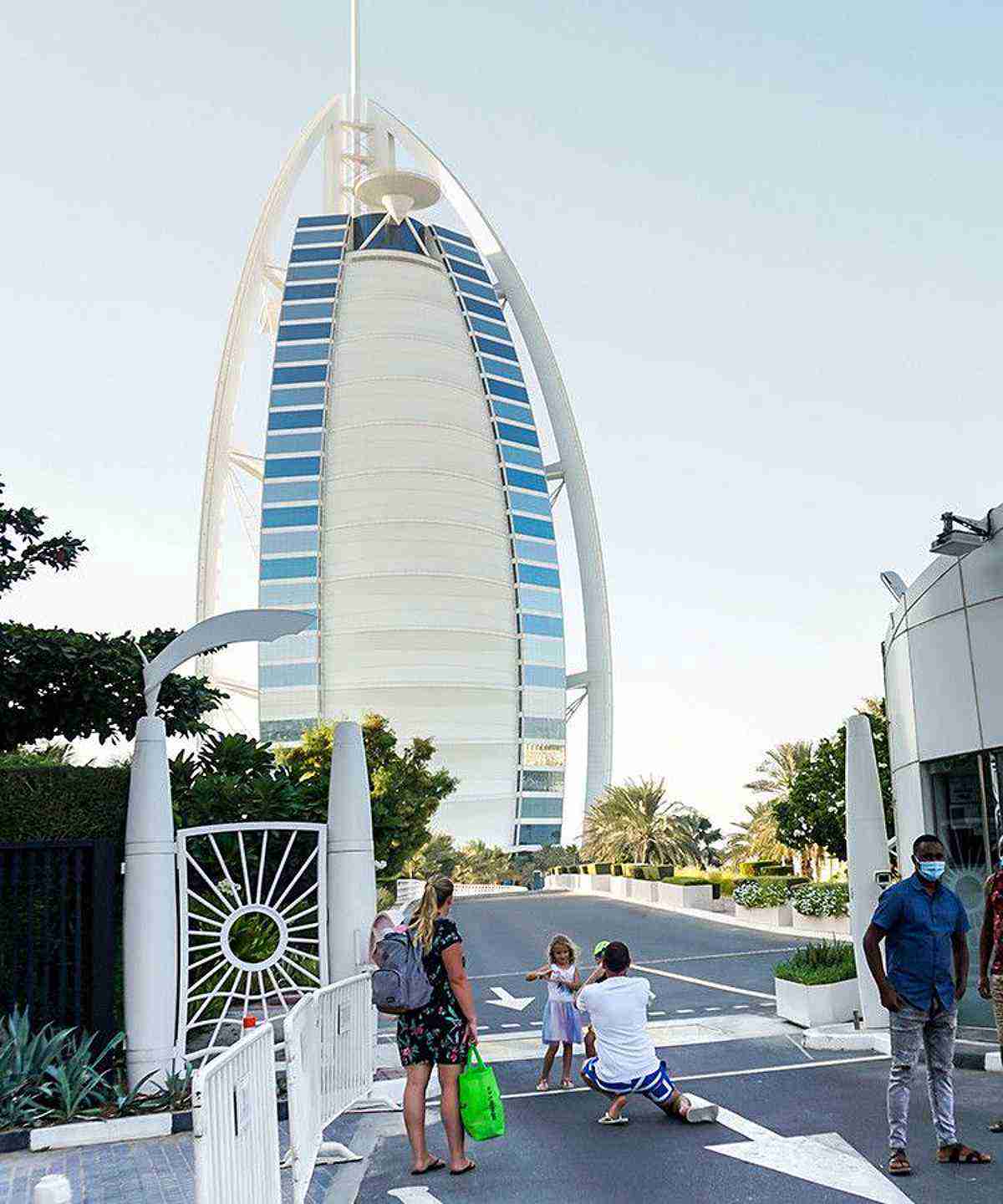
Dubai's Burj Al Arab is heading into the first major restoration of its 27-year history. Jumeirah, the hotel's owner and operator, describes the project as a conservation effort rather than a routine refurbishment — the goal is to preserve the sail-shaped building's distinctive identity while refreshing its interiors after more than two and a half decades of continuous operation since it opened in 1999.
The hotel will remain closed for 18 months, with reopening targeted for October 2027. French interior architect Tristan Auer has been brought in to lead the redesign. His brief is a delicate one: update the hotel's famously opulent interiors — Swarovski crystal, marble, gold leaf — without erasing the character that made Burj Al Arab an instantly recognisable symbol of Dubai.
The restoration spans all 198 suites, along with the hotel's restaurants, beach facilities and its well-known Burj Al Arab Terrace. Jumeirah has framed the closure less as ordinary hotel maintenance and more as safeguarding a piece of the city's architectural identity — the building has functioned almost as a visual shorthand for Dubai on magazine covers and skylines since the early 2000s.
For travellers with Dubai trips planned during the closure window, it means the Burj Al Arab itself will be off the table until the restoration is complete, though Jumeirah has pointed guests toward its other Dubai properties in the meantime. When the doors reopen in 2027, expect renewed global attention on a hotel that has spent a quarter-century as one of the most photographed buildings in the world.