Table of contents
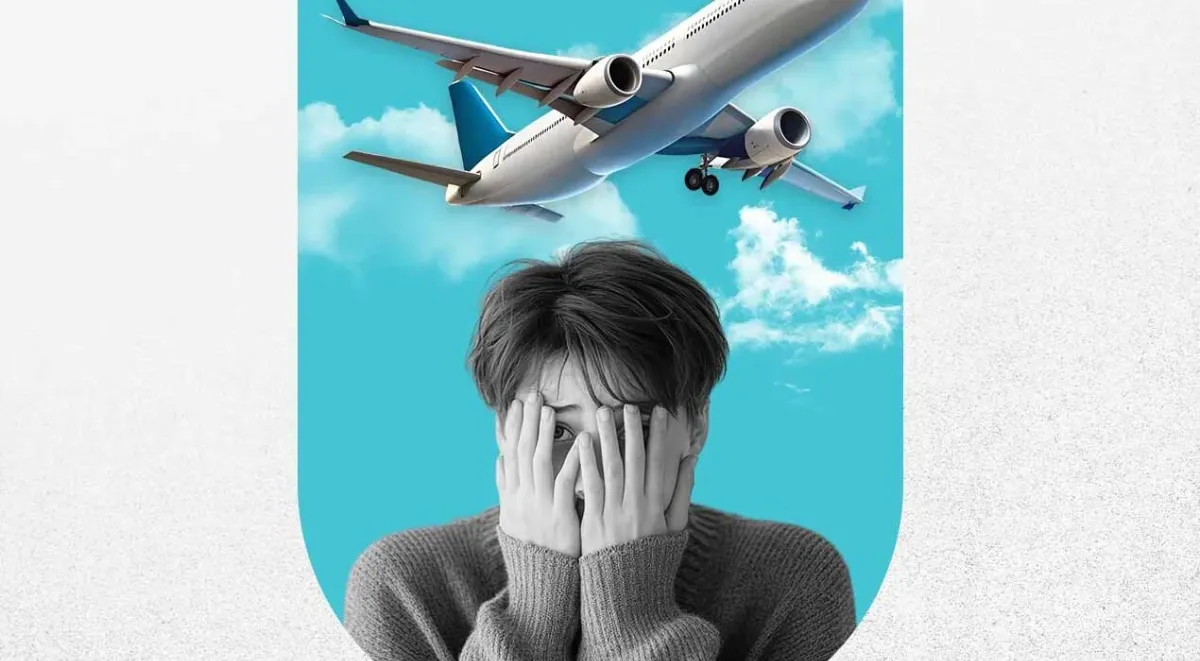
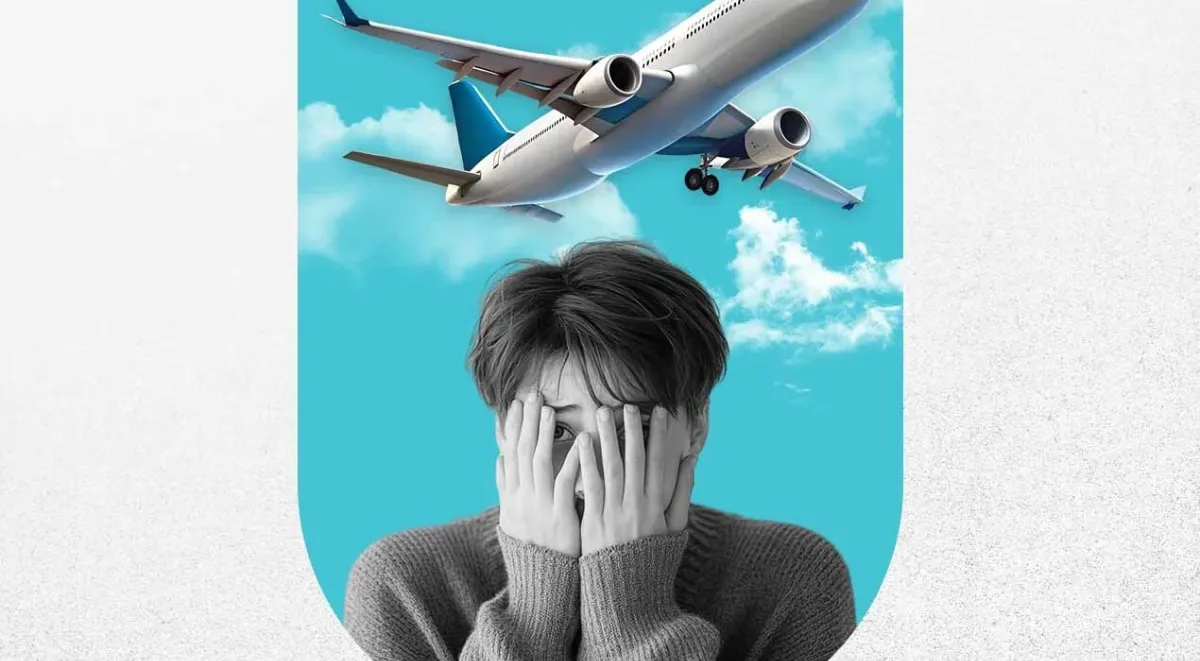
Fear of flying or "aviophobia" is one of the most common fears of the modern age. Despite the fact that air travel is considered one of the safest means of transportation, many people experience anxiety, palpitations, and worry even at the thought of flying. This fear can manifest in various ways; from a complete refusal to fly to severe discomfort during takeoff or landing. In fact, the human brain reacts defensively when faced with situations where there is a lack of control. Understanding the nature of this fear, recognizing its roots, and learning proper coping methods can make life easier for those affected and turn air travel into a calm and enjoyable experience. In the following, we will examine the various aspects of fear of flying.
1. The nature of fear of flying
Fear of flying is often a combination of several unpleasant feelings: fear of heights, fear of enclosed spaces, fear of falling, or concern about the inability to control the situation. In this state, the mind interprets flying not as a normal activity but as a dangerous situation. This causes the body's nervous system to enter a "fight or flight" mode; heart rate increases, breathing becomes faster, and the body prepares for a defensive reaction. Although the individual logically knows that the likelihood of an accident is very low, their physiological reactions become uncontrollable. The important point is that fear of flying is more related to the mental perception of danger than to its physical reality. Understanding this mechanism can be the first step on the path to treatment.
2. Reasons for the fear of flying
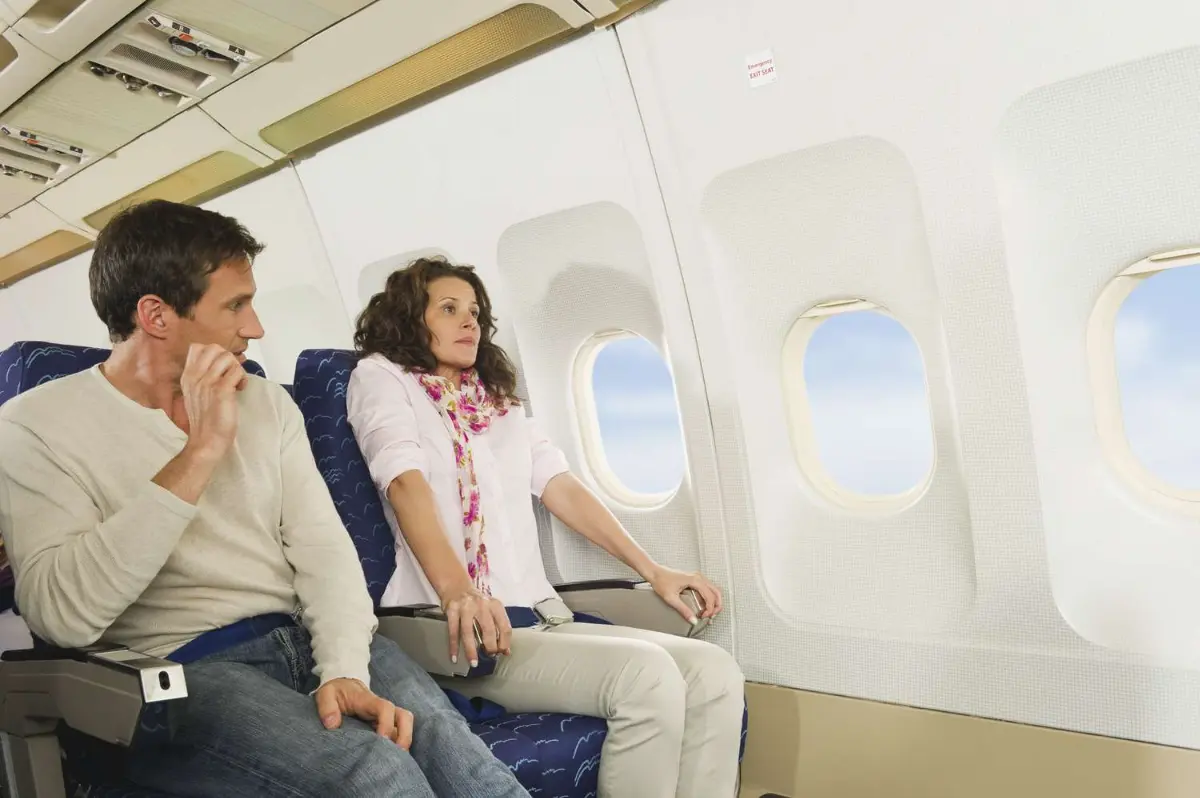
The reasons for fear of flying are diverse and multidimensional. Some individuals have had unpleasant experiences from previous flights, such as severe turbulence or emergency landings. Others are influenced by media reports about plane crashes and unconsciously associate flying with the risk of death. Additionally, perfectionist personalities or those who have a strong desire to control their environment feel a lack of control on an airplane, and this feeling causes anxiety. On the other hand, genetic and environmental factors also play a role; if parents were afraid of flying, the likelihood of this fear occurring in their children is higher. Overall, a combination of psychological, experiential, and cultural factors leads to the formation of fear of flying.
3. Physical and psychological symptoms of fear of flying
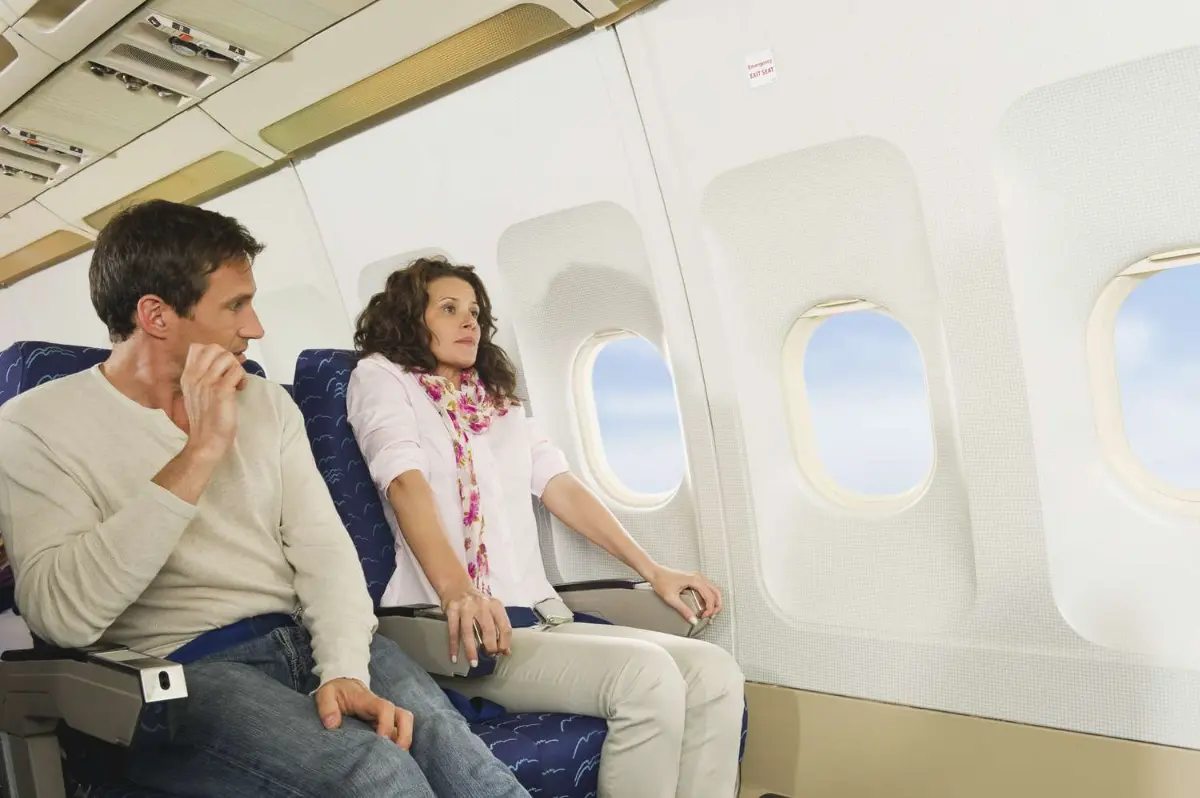
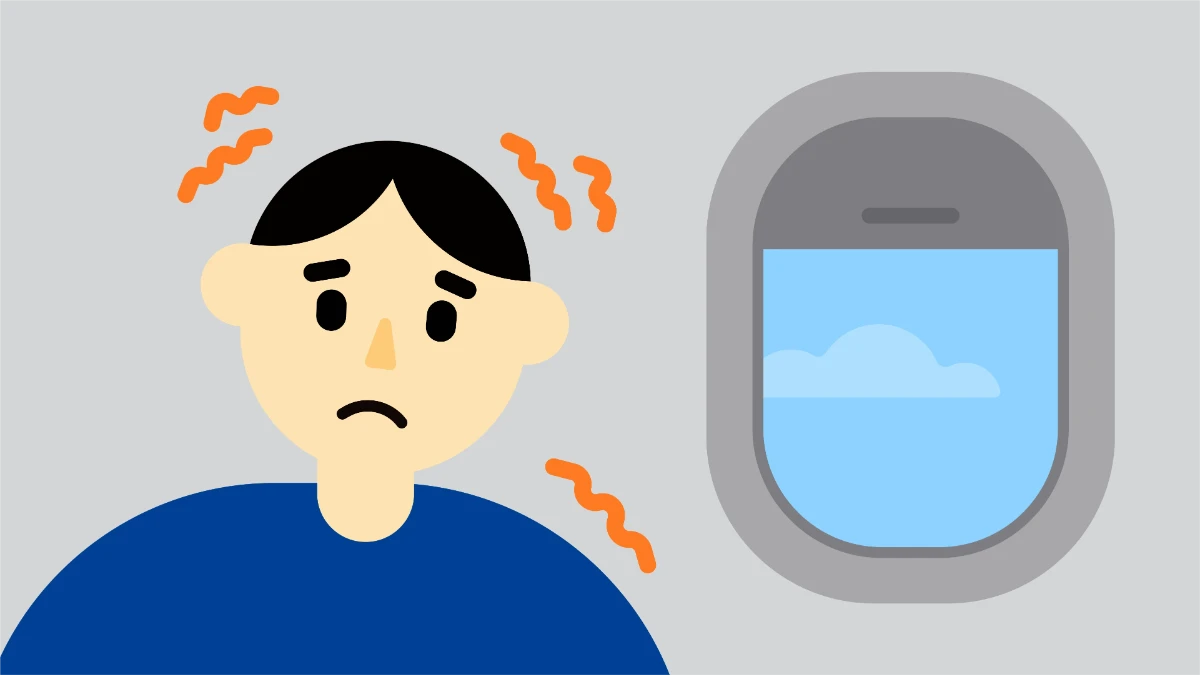
Fear of flying can be accompanied by various physical and psychological symptoms. Physically, a person may experience excessive sweating, trembling, dry mouth, shortness of breath, nausea, or a feeling of lightheadedness. Psychologically, catastrophic thoughts such as imagining the plane crashing or dying are repeated in the mind. Pre-flight anxiety is sometimes so severe that the person avoids boarding or makes excuses to cancel the trip. In some cases, panic attacks also occur, accompanied by intense fear, restlessness, and a feeling of suffocation. Awareness of these symptoms helps the individual understand that their fear is not real, but rather a biological and mental reaction that can be controlled.
4. The role of the media in strengthening fear of flying
The media play an important role in shaping and intensifying the fear of flying. Extensive coverage of aviation incidents, especially crashes, causes people's minds to focus excessively on danger. While the likelihood of an aviation accident is much lower than that of road accidents, exciting images and news of plane crashes remain in people's minds. Additionally, movies and series that depict tense scenes of flying can reinforce feelings of insecurity. The human brain does not differentiate between real experience and mental imagery, so repeated exposure to such content makes fear seem more real. Controlling media consumption and being aware of news bias is an effective step in reducing this type of anxiety.
5. The impact of irrational thoughts and beliefs
Many fears have their roots in irrational thoughts. In the fear of flying, individuals often overestimate the danger. For example, they may think that every bump of the airplane is a sign of falling or believe that they cannot resist their anxiety. Such beliefs exacerbate anxiety and create a cycle of fear. Cognitive-behavioral therapies (CBT) focus on identifying and correcting these false beliefs. The individual learns that feeling anxious does not mean real danger and can retrain their mind by accepting and breathing calmly. Changing thought patterns is considered one of the most effective therapeutic methods for fear of flying.
6. Techniques for coping and reducing anxiety
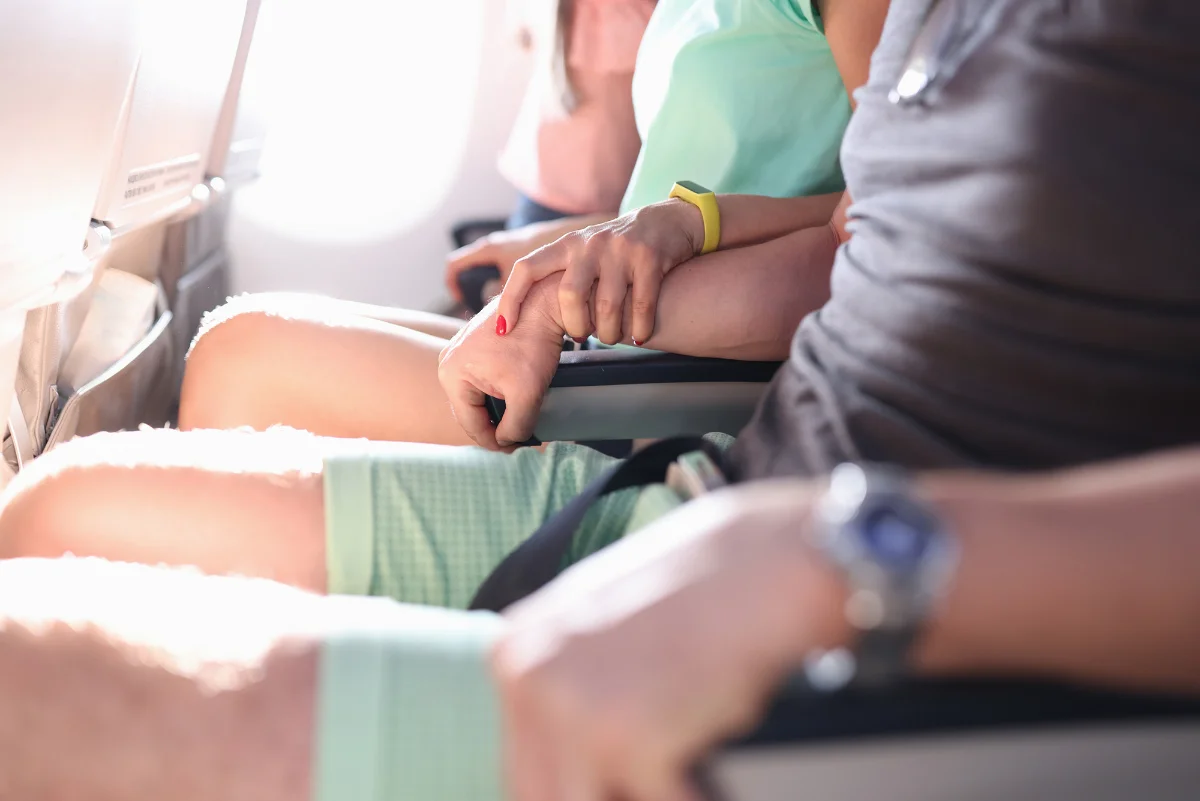
One of the most important methods to overcome the fear of flying is gradual exposure. This method involves becoming familiar step by step with the flying situation: first watching educational videos about airplane safety, then visiting the airport, and finally taking short flights. Alongside these exercises, relaxation techniques such as meditation, focusing on breathing, and listening to calming music can be helpful. Additionally, talking to the flight crew and trusting their experience enhances the sense of security. In some cases, a psychiatrist may prescribe temporary medications to reduce severe anxiety. Consistency in practice helps the brain gradually reduce the feeling of danger.
7. The role of education and awareness in overcoming fear
Awareness is the strongest tool against fear. Many people experience anxiety due to ignorance of the mechanics of flying and its safety level. Knowing that each flight is operated by experienced professionals and that airplanes are equipped with multiple backup systems can calm the mind. Participating in courses to cope with the fear of flying, offered by airlines or psychologists, is also very effective. In these courses, individuals become familiar with the scientific realities of flying, relaxation exercises, and simulated flight experiences. The result is that the mind gradually eliminates fear through controlled experience, and the individual feels a greater sense of control.
8. Changing attitude and enjoying flying
Overcoming the fear of flying is not just about eliminating anxiety, but rather an opportunity for mental growth and a change in perspective. When a person learns to confront their emotions, they not only enjoy flying more but also life itself. Viewing flying as an exciting and liberating experience can shift the mind from fear to enthusiasm. Using positive thinking techniques, visualizing the travel destination, and focusing on travel goals are great ways to replace the feeling of fear with eagerness. Every flight can serve as a reminder of the fact that a person has the ability to control their mind and can overcome psychological limitations.
✍️ Conclusion
Fear of flying, although it seems illogical on the surface, is a human and understandable experience. Understanding the roots of this fear, recognizing physical and mental reactions, and practicing relaxation techniques can significantly reduce it. Changing thoughts, gaining awareness, and gradually facing the flying situation are the three main pillars in treating this phobia. Let us remember that courage is not the absence of fear; rather, it is the ability to move in the presence of fear. By learning mental and psychological skills, flying can become one of the most enjoyable experiences of life.