
Table of contents
Dubai Culture and History Travel Guide: From the Creek to Today's Towers

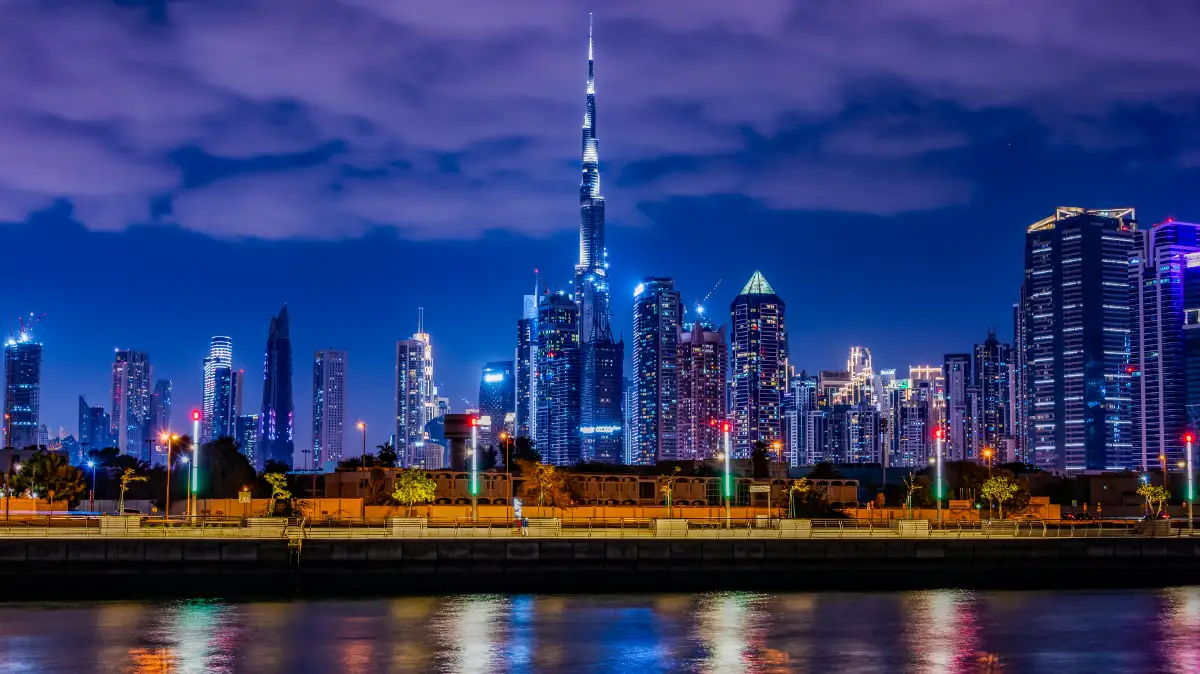
This section is an introduction to Dubai at a glance; a dynamic city that has grown from its port roots on the Creek to the towers of today. Dubai has transformed from a small fishing village into a global metropolis in just a few decades.
- Pop. ~3.6M; Economy: trade, tourism, finance, logistics
- Key areas: Deira/Creek, Downtown, Marina, Jumeirah
- DXB Airport (Emirates hub); Metro Red & Green lines
- Weather: Oct–Apr best; summers very hot
- Payments: cards/Apple Pay; Nol card for transit
- Quick rules: modest dress at religious sites; alcohol only in licensed venues; respect Ramadan
Al Fahidi — Wind-tower alleys and old plaster houses
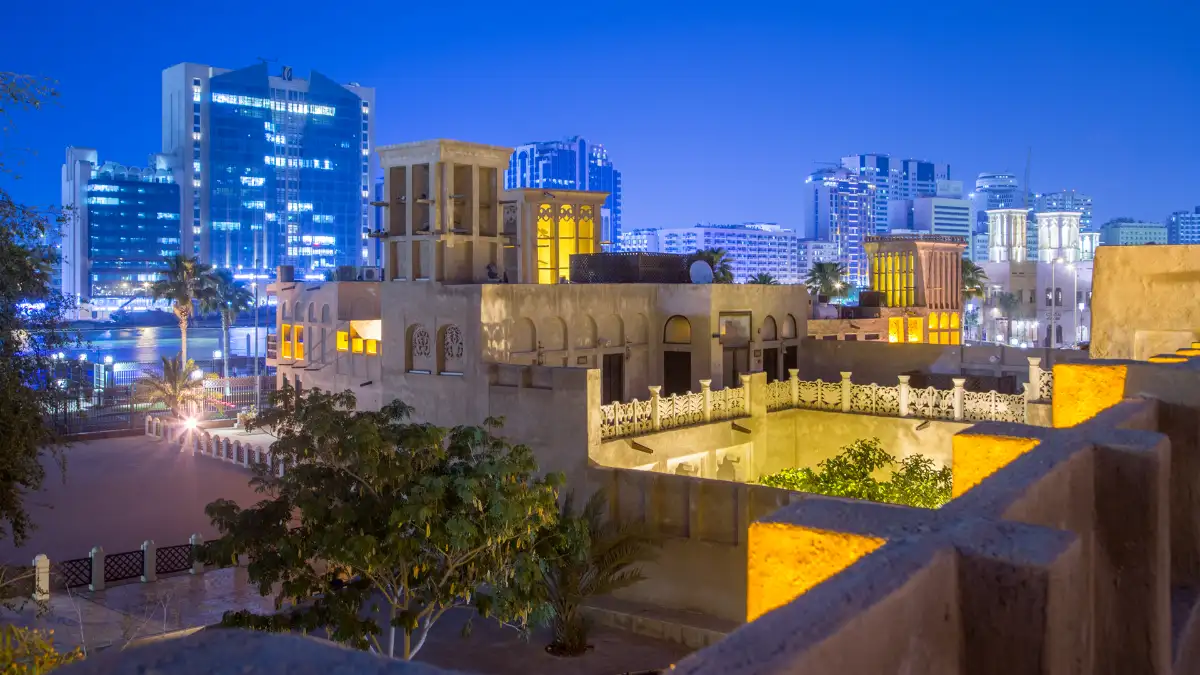
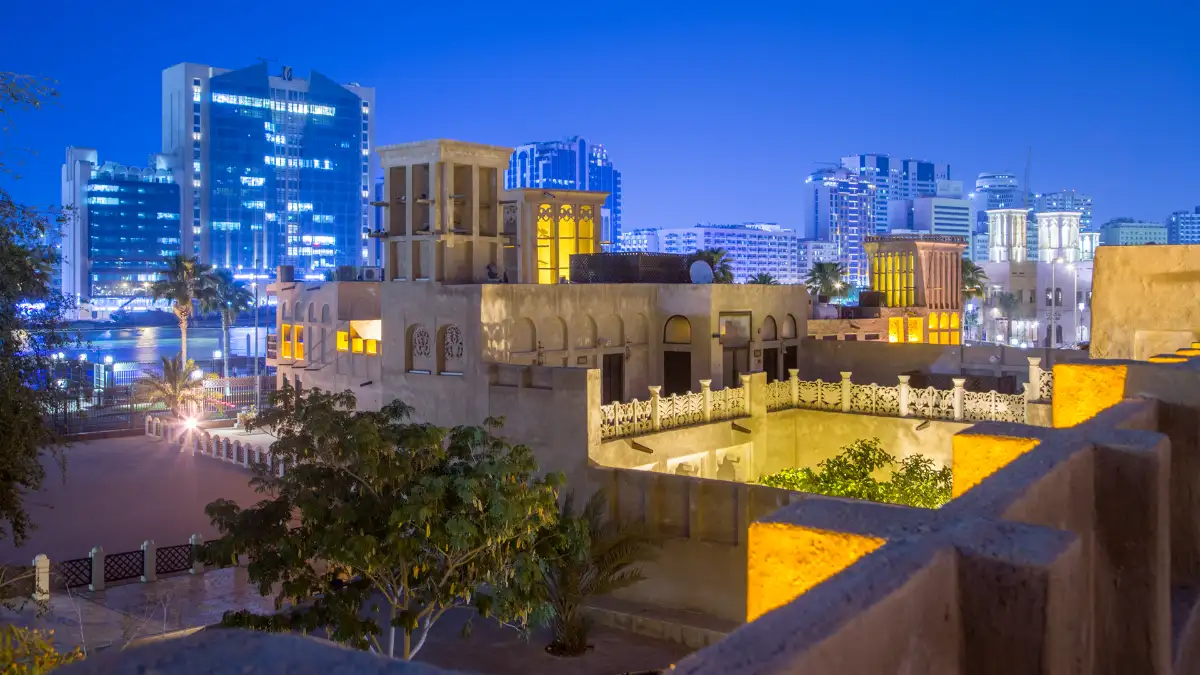
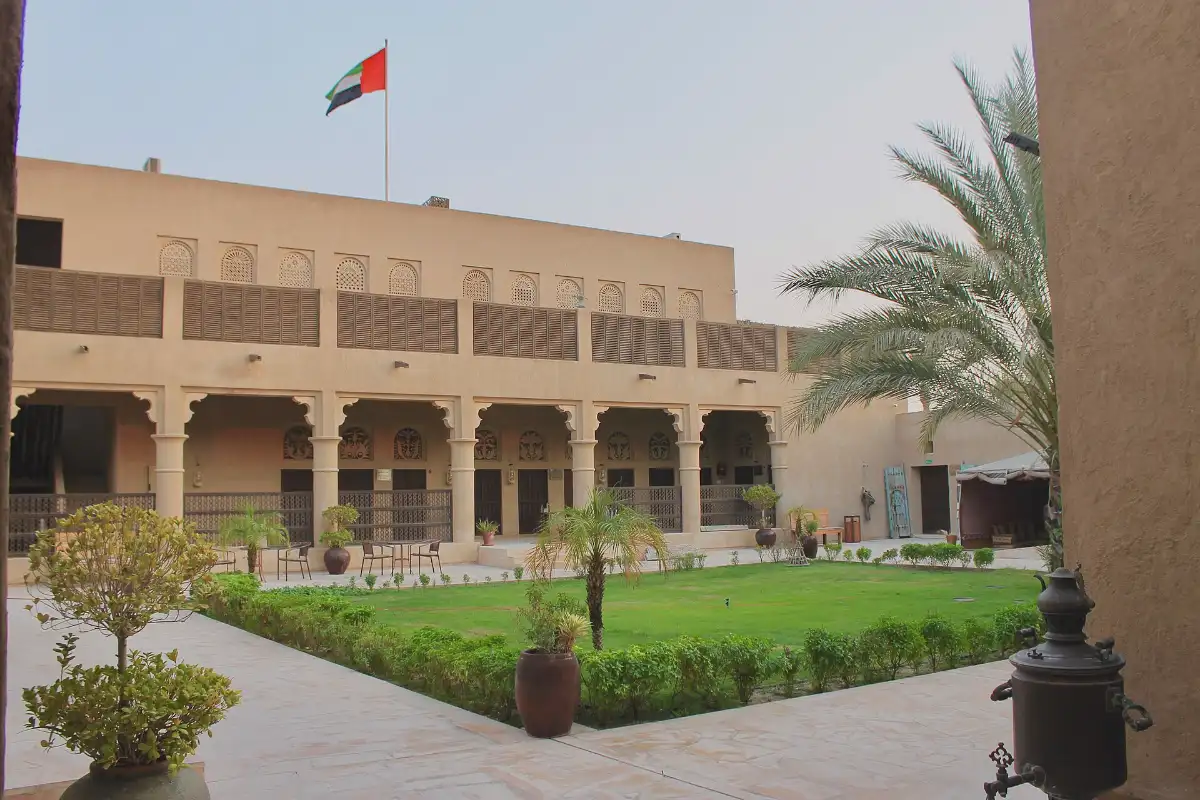
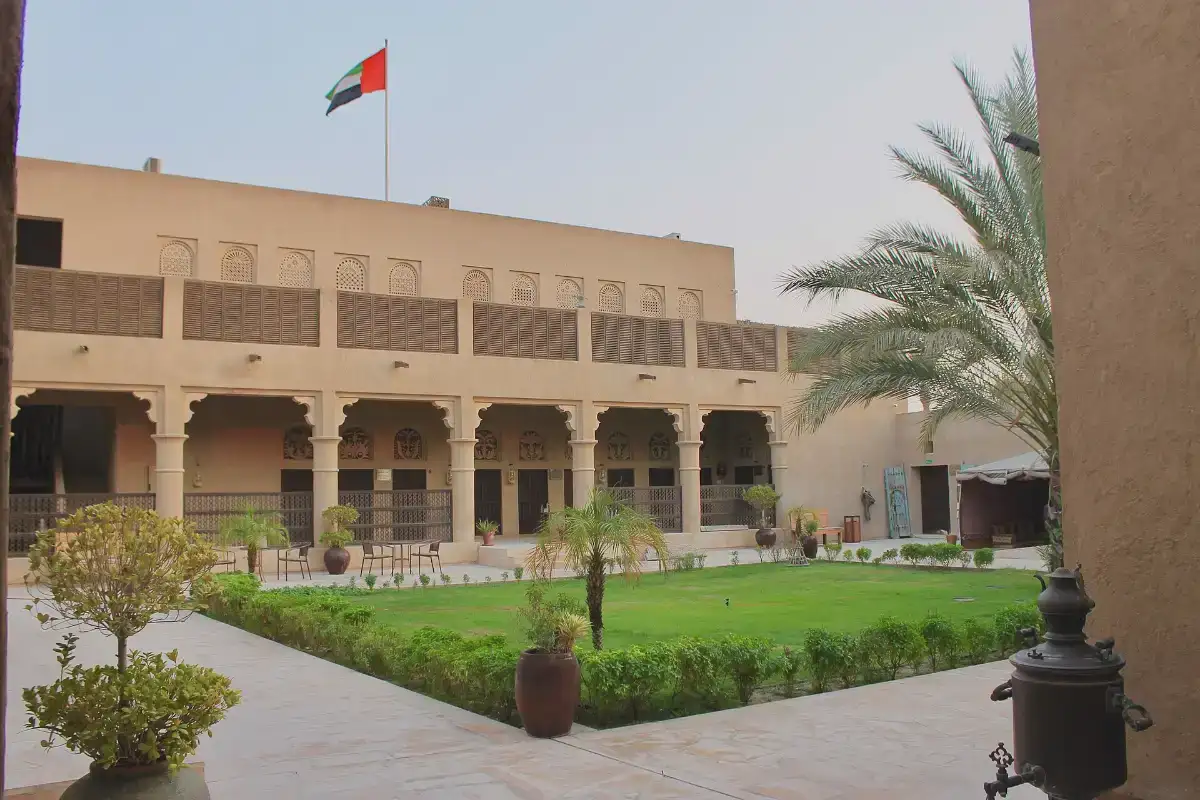
Al Fahidi neighborhood on the coast of the creek and in the heart of Dubai is where the roots of today's city can be seen with the naked eye. This fabric took shape in the late nineteenth century; a time when Gulf merchants—especially families from Bastak and southern Iran—built houses with a central courtyard and placed narrow alleys called "sikka" between them to allow the wind to pass through and protect daily activities from the scorching sun. The walls are made of coral and plaster, wooden beams of teak and cedar support the roofs, and the wind catchers act like the lungs of the house, drawing in breezes from above and delivering them to the rooms. From these simple details, one can understand how a city that is now recognized by glass and steel once thrived through local ingenuity. Al Fahidi also faced years on the brink of loss; part of the neighborhood was demolished during the modernization period, but the persistence of heritage lovers and the decision of city managers to preserve it led to the restoration and revitalization of the remaining fabric. Now, the old houses have taken on cultural functions: the "Cultural Center for Familiarization with the Emirates" hosts dialogue programs and traditional lunches, the "Coffee Museum" and "Coin Museum" showcase aspects of past trades and tastes, and galleries like XVA present contemporary art within traditional architecture. Every year, the "Sikka" festival fills the alleys with sound and color. If you walk early in the morning or near sunset, the slanting light on the plaster walls, the shadows of the wind catchers, the smell of coffee from the courtyards, and the distant sound of the call to prayer create a vivid image of pre-oil Dubai—a port city that traded from these shores and gradually reached today. This is not a museum behind a showcase; it is a living fabric that still operates and quietly explains why the narrative of Dubai is incomplete without understanding Al Fahidi.
📍 Address:
Al Fahidi Historical Neighborhood, Sheikh Sabah Al-Ahmad Al-Jaber Al-Sabah Street, Bur Dubai, Al Hamriya, Dubai, United Arab Emirates
✅ Positive Points
- It has an authentic and very photogenic texture for photos and videos, it is free and open space, and the nearby cafes and small galleries create a pleasant atmosphere; early in the morning and close to sunset also provide the best light and shadow for photography.
❌ Negative Points
- Midday is extremely hot and some lanes get crowded with tourists; some houses/galleries also keep limited visiting hours.
When you come out of the wind-tower alleys, the Creek is just a few minutes away; the path weaves through historic lanes and traditional markets.
Al Shindagha Museum — The story of maritime trade and pearl diving
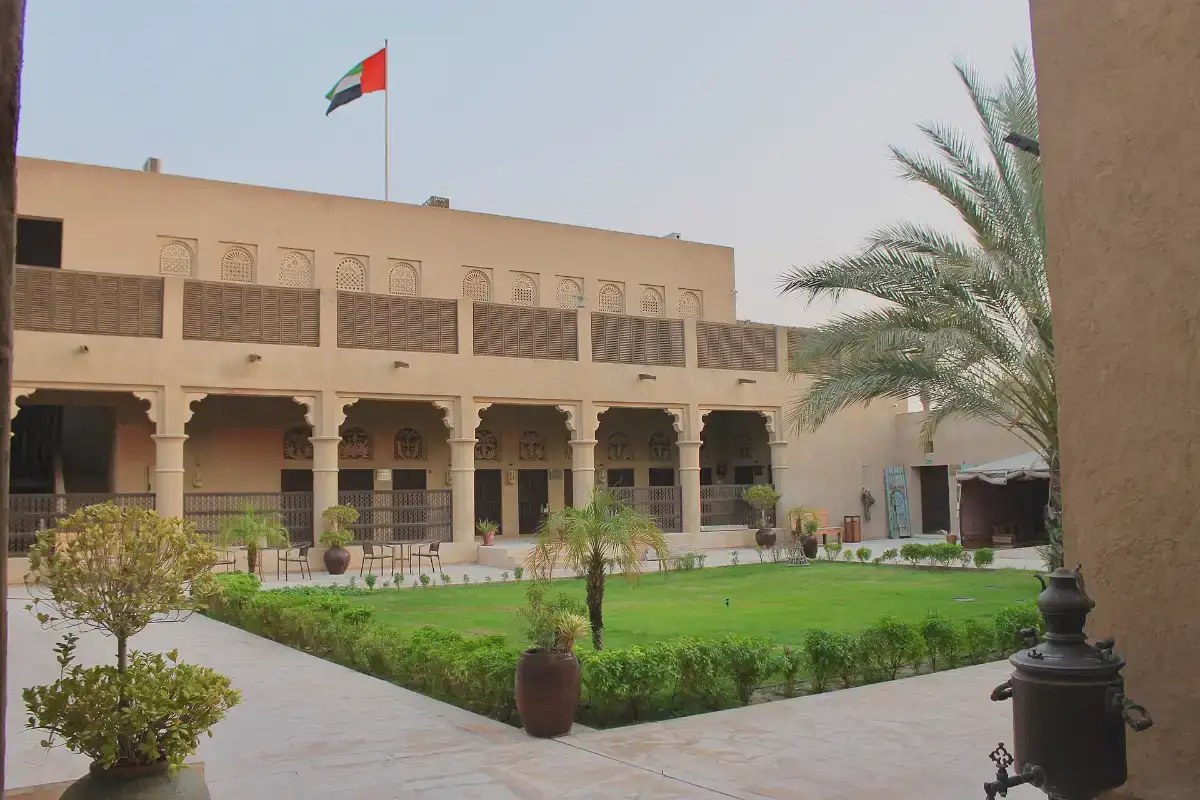
The Al Shindagha Museum is located on the shores of Dubai Creek next to the "Sheikh Saeed House" and is one of the best places to understand the narrative of Dubai's maritime history. A collection of restored wind-tower houses has been transformed into interconnected galleries; from the moment you enter the shaded courtyards, the visiting path acts like a time corridor: first, you become familiar with wooden boats (dhows) and triangular sails, then you enter the section on seasonal journeys to India and East Africa and see how the Gulf trade network transformed Dubai from a small settlement into an important port.
In the pearl diving gallery, you can see the clothing and tools of divers, foot stones, rope baskets, and the sounds of "nahham" up close; short videos explain how the boom and bust of pearls had a direct impact on the city's economy and population. Interactive halls with models, old maps, and multimedia displays make the city's transition from pre-oil to the formation of new trade, banks, and shipping lines tangible. The architecture of the museum itself is part of the narrative: wind towers, interconnected rooms, and central courtyards that provide shelter in the midday heat showcase the indigenous ventilation technology before air conditioning.
If your travel schedule is short, plan to visit Al Shindagha after walking in Al Fahidi so that "home, alley, sea, and market" can chain together in your mind. Access via the Green Metro Line (Al Ghubaiba Station) is simple, and from Al Fahidi, you can reach it with a 10-12 minute walk along Al Seef. For photography, the slanted morning and evening light gives the best results on the plaster walls and the view of Dubai Creek.
📍 Address:
Al Ghubaiba Road, Bur Dubai, Al Shindagha, Dubai, United Arab Emirates
✅ Positive Points
- Coherent storytelling of Dubai’s maritime past in cool, restored galleries with engaging films and interactives; prime Creekside location near Al Fahidi; easy Metro access (Al Ghubaiba) and family-friendly, especially in summer.
❌ Negative Points
- Ticketed; spread across multiple buildings with some walking between halls; weekends can be busy; occasional gallery closures for maintenance, and not all labels are available beyond Arabic/English.
When you come out of the museum door, the pier is just a few steps ahead; board the Abra to cross the Creek in a few minutes.
Deira — The old heart of Dubai trade; from Gold Souk to Spice Market and today's technology
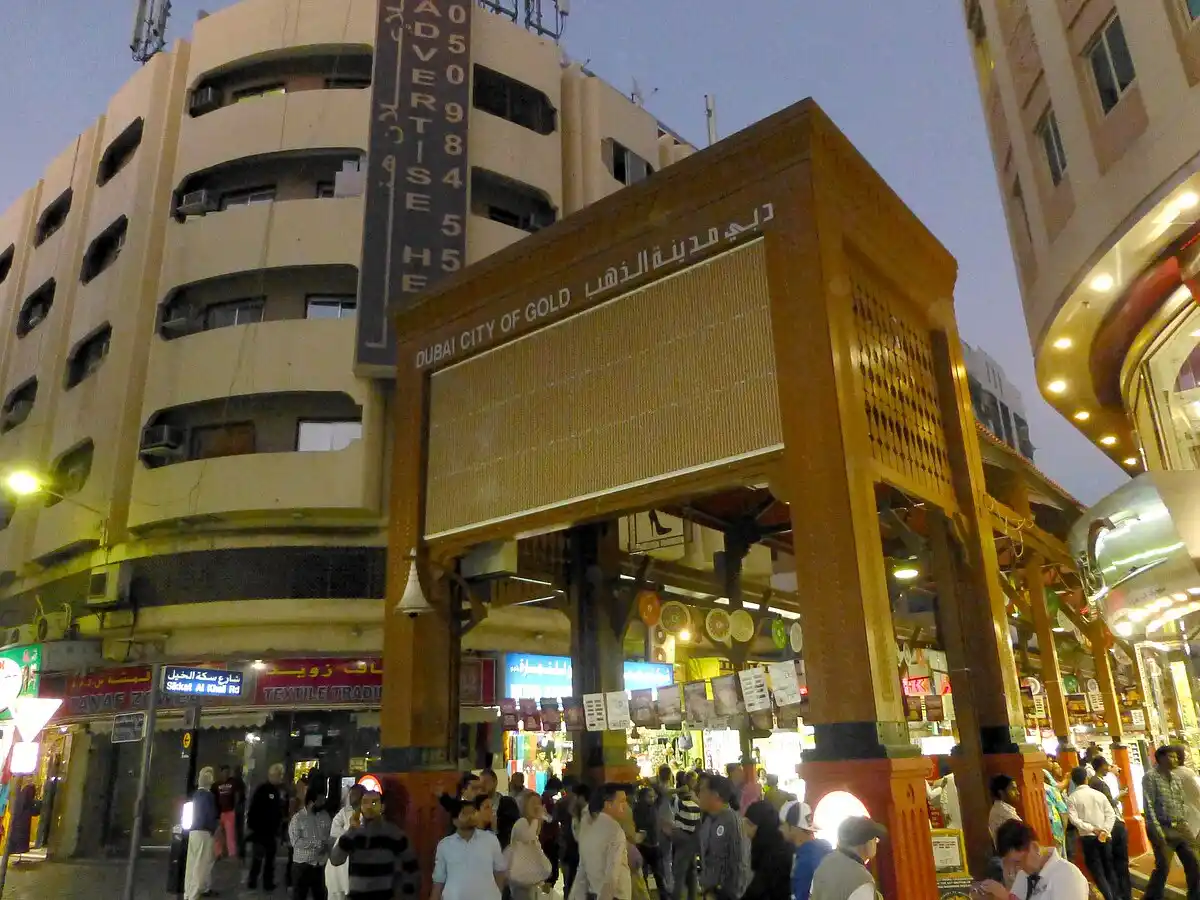
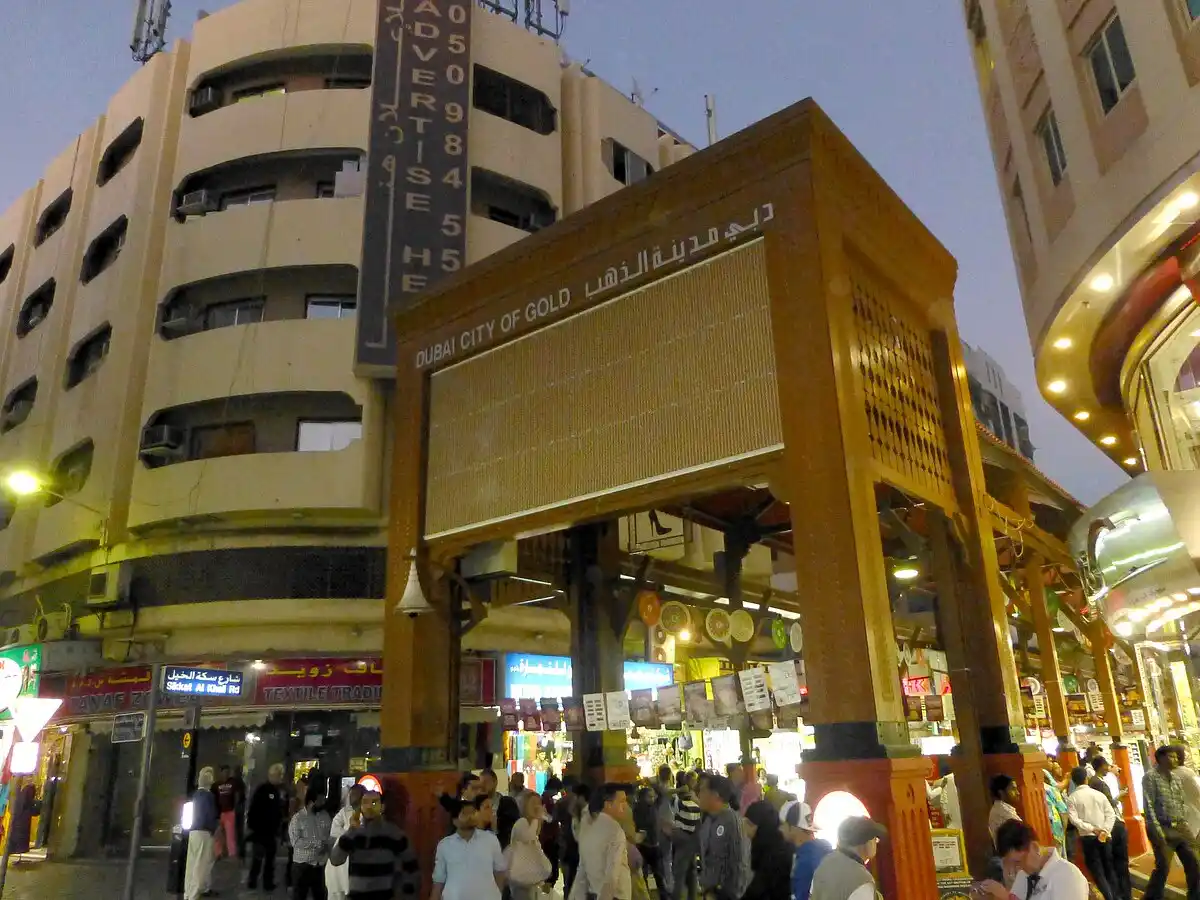
Deira is the face of the old market of Dubai; a bustling neighborhood with narrow alleys, goldsmith workshops, and spice shops where the scent of cardamom and saffron reaches the side of Dubai Creek. If you are looking for an authentic shopping experience, start at the Gold Souk; a corridor of shining displays where workshops are busy behind the shops and you can compare prices and labor. A few minutes' walk will take you to the Spice Souk; colorful baskets of spices, dates, and Arabic tea present the best local souvenirs. The best time to visit is from evening to night; the weather becomes cooler and the markets come alive. Access is also easy: Green Line Metro – Al Ras or Gold Souq station, or an abra from the Dubai side to the Deira Old Souk dock. Bargaining, card payment, and cash are both accepted. If you are coming with a camera, the neon night lights and the reflection of gold on the pavement provide excellent frames.
📍 Address:
Raqqa, Raqqa Street, Deira, Corniche, Al Murqabāt, Dubai, United Arab Emirates
✅ Positive Points
- The vibrant and authentic atmosphere of the old market, a wide variety of goods (gold, spices, fabrics, and food), competitive prices with the possibility of bargaining, very easy access by metro (Al Ras/Gold Souq) and abra, an excellent space for street photography and local experience.
❌ Negative Points
- Weekend crowds and the possibility of some sellers insisting; intense heat at noon; narrow alleys (limitations for strollers/wheelchairs); the need for precision in weight/purity and comparing gold prices.
As we exit the alleys of the Deira market, the smell of spices lingers behind; we take the green line metro to Burjuman station and there we switch to the red line to enter Sheikh Zayed Road — next station: Museum of the Future.
Museum of the Future — Iconic Architecture and Interactive Experience
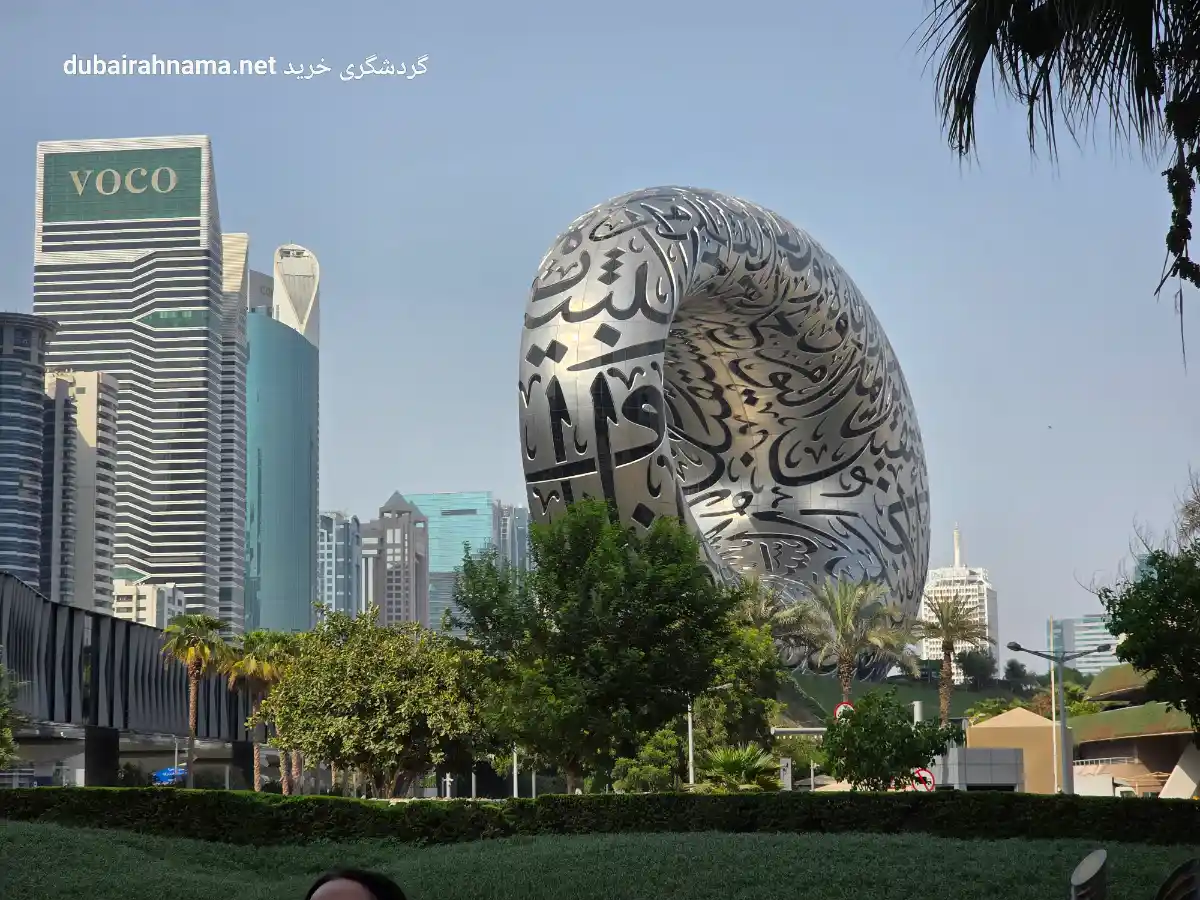
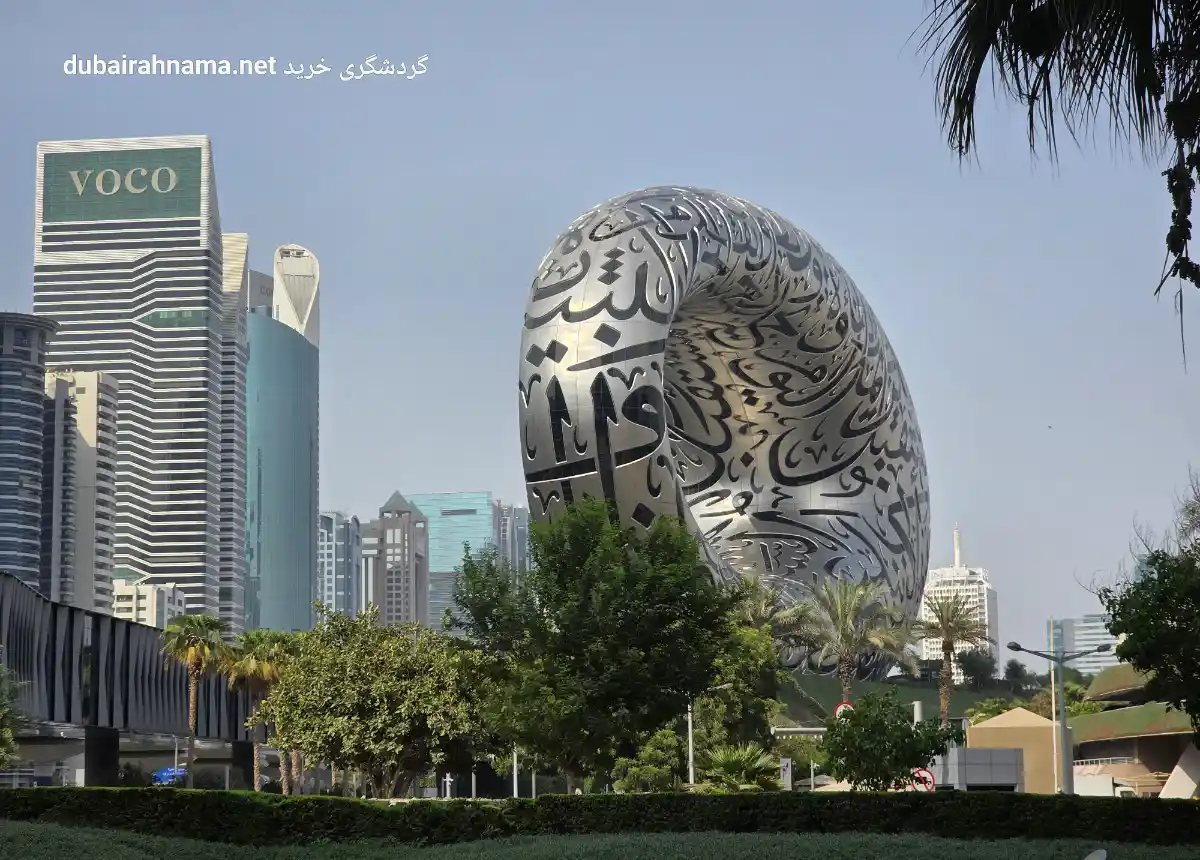
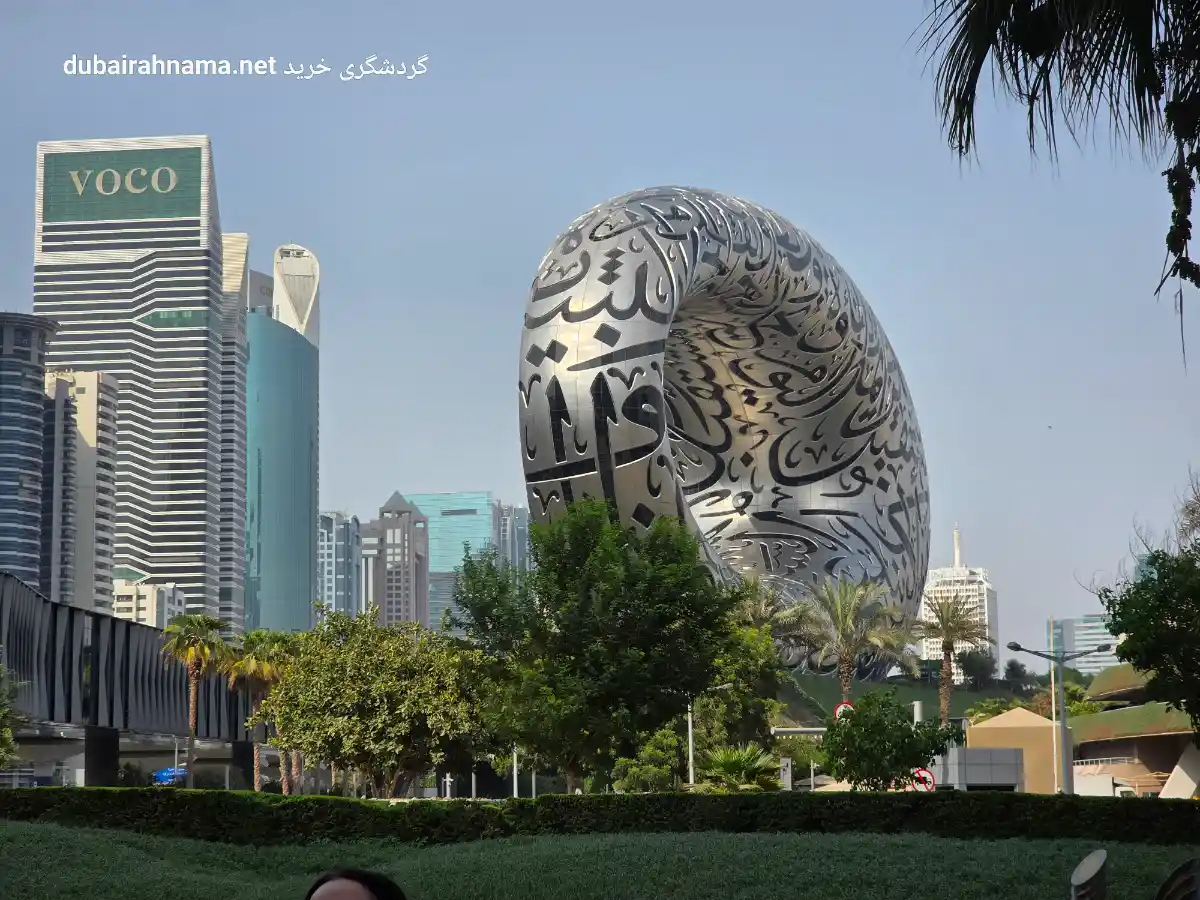
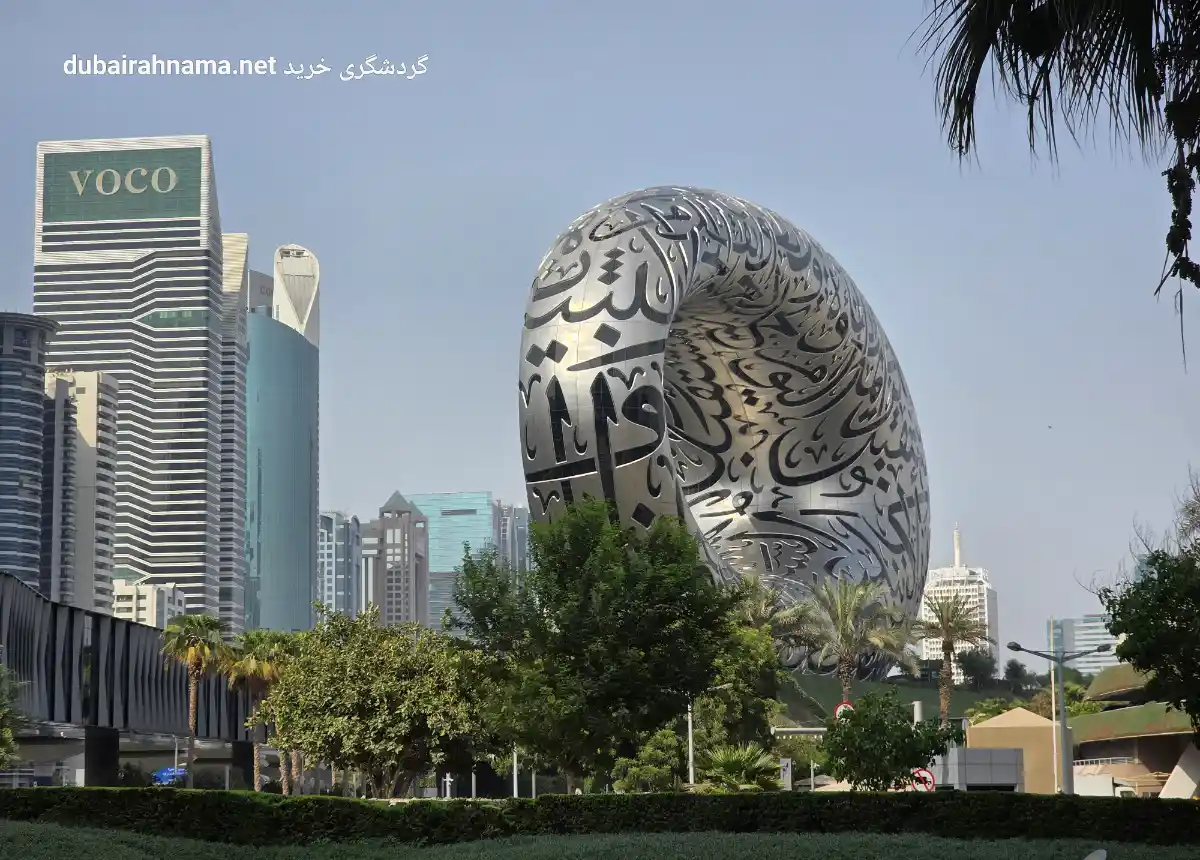
The "Museum of the Future" with its shining steel ring and Arabic calligraphy on its surface has landed like a space object in the middle of Sheikh Zayed; a columnless and continuous structure that changes day and night: during the day, a mirror for the sky and the city, at night, glowing lines of light shining from afar. When you enter, you do not feel the classic sense of a "museum"; it feels more like a narrative journey. The floors progress with interactive scenarios instead of vitrines and labels: the future of cities and transportation, energy and space, livability and human health, and the relationship between nature and technology. On one floor, you might sit in a virtual flight capsule and see the Earth from orbit; on another floor, you pass through multisensory installations that work with sound, smell, and touch, making big ideas—from circular economy to vertical farming—tangible. In the innovation lab, you see real examples of new technologies: service robots, smart materials, 3D printing, and tools that have not yet hit the market. The materials library is a shelf of hundreds of samples of materials and textures that designers and students touch closely; a place where the future smells of resin and freshly polished metal. Along your path, you constantly encounter calligraphed quotes—sentences about hope, knowledge, and innovation—that are also seen on the outer surface, turning the building into an "architectural writing.
Details, directions and additional information about the Museum of the Future📍 Address:
Museum of the Future, Trade Center Street, Commercial Center 2, Commercial Center, Dubai, United Arab Emirates
✅ Positive Points
- Iconic, photogenic architecture; immersive, multi-sensory storytelling instead of traditional cases; easy access via Emirates Towers Metro; great for families and tech/design enthusiasts.
❌ Negative Points
- The ticket is relatively expensive and has limited capacity (early reservation required), some sections may be temporarily closed; guides are mostly Arabic/English, but it is possible to arrange a Persian-speaking translator for private/pre-booked tours.
As we move away from the glowing ring of the museum, our gaze falls on the Dubai Frame; we take the red line metro to Al Jafiliya station and enter through the Zabeel Park entrance (Gate 4) - next stop: Dubai Frame.
Dubai Frame — A window between past and future
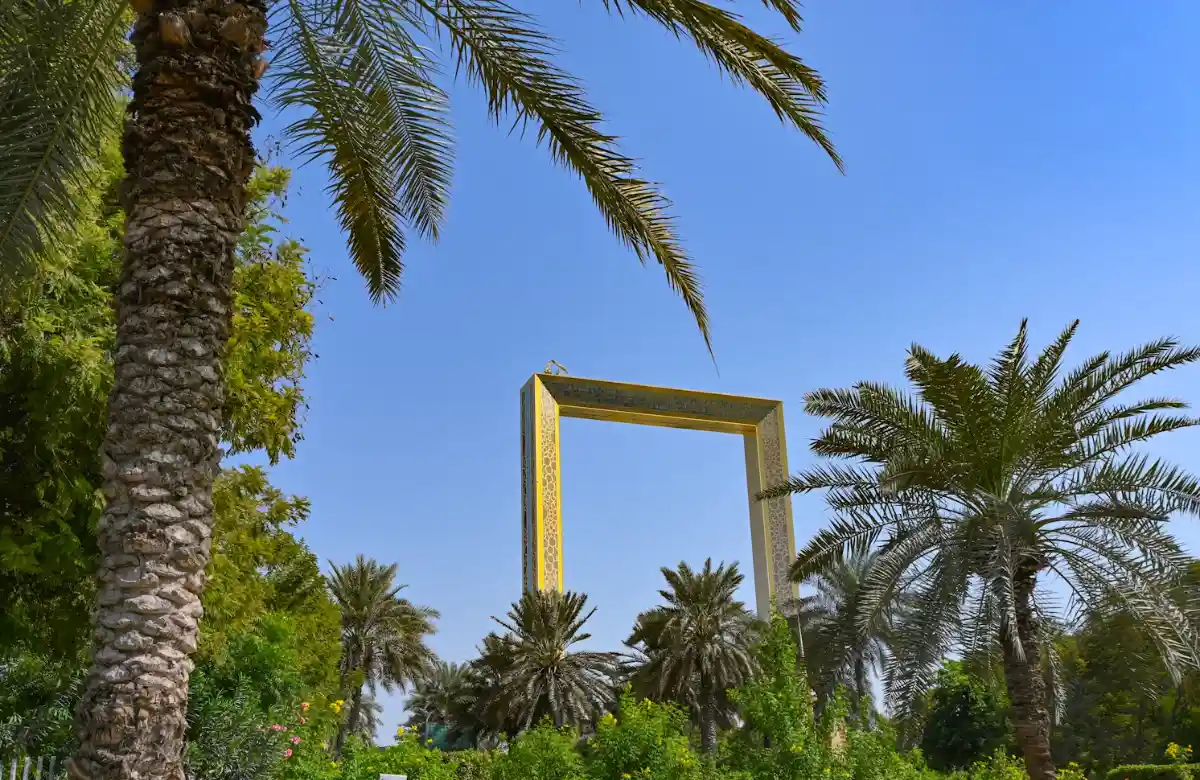
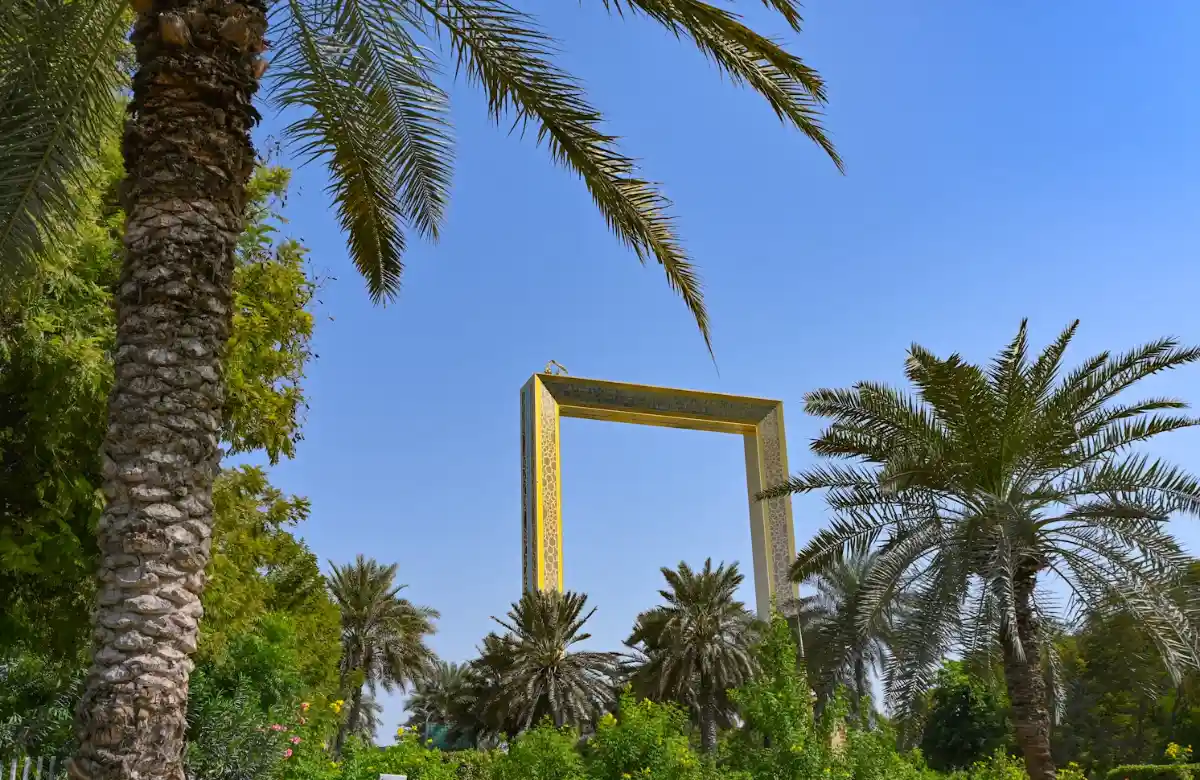
The Dubai Frame stands like a golden rectangle in the middle of Zabeel Park, offering an unparalleled view of the past and present of the city: on one side, the old textures of Bur Dubai and Deira, and on the other, the modern skyline of Sheikh Zayed. You ascend with a glass elevator and walk on a transparent bridge; the glass floor in some areas is opaque and becomes clear with the push of a button—a moment of true excitement. The lower gallery showcases the short history of Dubai's growth with photos and models, and at the exit, the shaded walking path of the park is excellent for resting. The best time to visit is from evening to night; both the heat is less, and when the lights turn on, the golden frame against the deep sky creates a first-class picture frame.
📍 Address:
Jogging track, 12th Street, Bur Dubai, Al Karama, Dubai, United Arab Emirates
✅ Positive Points
- Unique two-sided panorama (old/new Dubai), thrilling glass-floor sky bridge for photos, easy access via Al Jafiliya Metro and Zabeel Park, family-friendly and doable in a short visit.
❌ Negative Points
- Tickets relatively pricey for the visit length, elevator queues at peak times, glass floor may be uncomfortable for some, distant views depend on weather/dust.
Coming down from Dubai Frame, the path to shopping and entertainment is ahead; take a short taxi or metro to reach Dubai Mall and the Burj Khalifa area.
Burj Khalifa — the tallest building in the world; the highest observation decks in Dubai
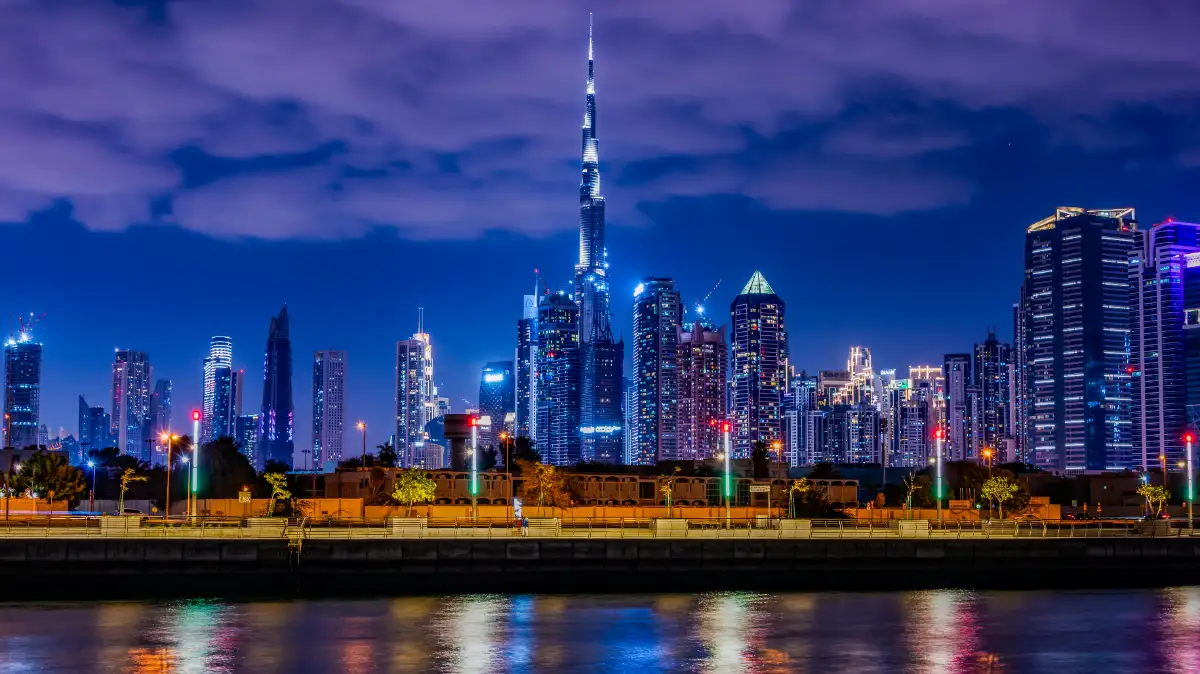
Burj Khalifa (828 meters) is the symbol of Dubai's skyline, and the experience of visiting it begins from the corridors of Dubai Mall; you follow the At The Top signs, pass through light tunnels and short displays, and in a few seconds with high-speed elevators, you find yourself on the 124th and 125th floors; where the city spreads out beneath your feet and the desert and the Persian Gulf stretch to the horizon. If you have a ticket for the 148th floor, you go to a quieter and more luxurious level where the floor-to-ceiling windows and stylish lounge enhance the experience. The best time is from sunset to night; first, the golden light on the towers, then the Dubai fountain lights up and the skyscrapers turn on their lights one by one. To avoid being bothered by the queue, buy a timed ticket in advance and arrive at the entrance 30-45 minutes early. Keep your camera ready on the observation decks: a wide lens for vast horizons and a normal lens for great urban frames (usually tripods are not allowed). If the weather during the day is a bit hazy, wait until nightfall; the lights provide better contrast. After coming down, there is a short walk to the Dubai fountain, which has shows every 30 minutes in the evenings and at night. If you are looking for a calmer experience, the Atmosphere restaurant (122nd floor) offers a view similar to the observation deck with a restaurant ambiance (reservation required). Public access is also easy: the red metro line to Burj Khalifa/Dubai Mall station and then the covered walkway to the entrance. All of this makes visiting Burj Khalifa not just about "going up"; it is a complete frame of today's Dubai.
Details, directions and additional information about Burj Khalifa📍 Address:
At.Mosphere Burj Khalifa, 1, Sheikh Mohammed bin Rashid Street, Downtown Dubai, Burj Khalifa, Downtown Dubai, Dubai, United Arab Emirates
✅ Positive Points
- Unrivaled shopping and dining with international brands and numerous cafés, plus family attractions like the Aquarium & Underwater Zoo, ice rink, and VR experiences for all ages; direct access to the Dubai Fountain and Burj Khalifa from inside the complex, along with climate-controlled walkways and easy connection to the Red Line Metro at Burj Khalifa/Dubai Mall station for quick, simple transport.
❌ Negative Points
- It is very big → a lot of walking; for the aquarium and visiting the tower, usually a reservation/queue is required and the tickets are relatively expensive.