Escalating regional tensions around the Strait of Hormuz have driven a sharp spike in shipping costs between the Gulf and East Asia, with industry figures citing daily freight costs climbing from roughly $40,000 to as much as $1.3 million on some routes. The surge is forcing trading companies to seek costlier detours and has exposed how dependent the region's trade infrastructure remains on a single chokepoint.
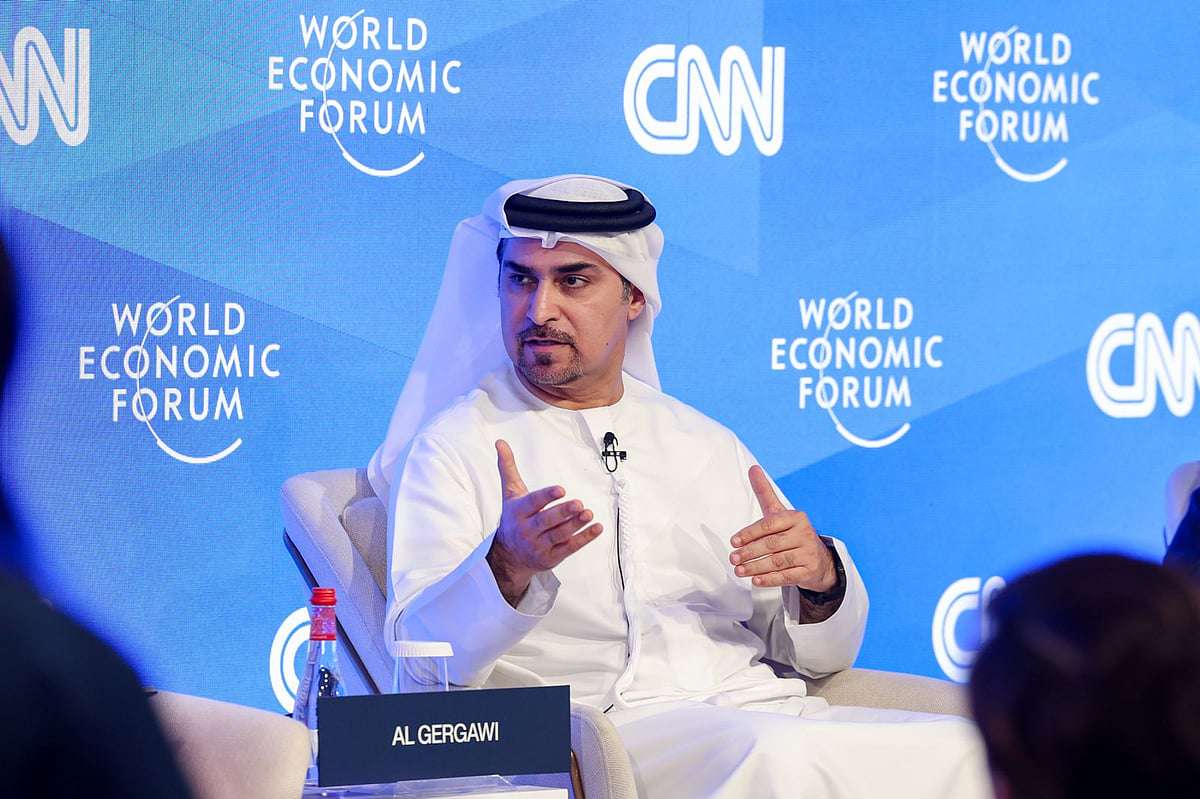
Unlike many regional economies, the UAE has spent years investing in resilience rather than reacting after the fact, according to Fahad Al Gergawi of the UAE Ministry of Foreign Trade, who said the country has adopted "a model that is different from the region" built around preparedness. Central to that strategy is Khorfakkan, a port on the UAE's eastern coast that bypasses the Strait of Hormuz entirely, now being integrated into a wider multi-modal network linking ports, airports and logistics corridors.
The UAE has also launched a Future Investment and Trade Partnership with Switzerland, Singapore and New Zealand, alongside a $1 million Global Innovation Challenge aimed at crowdsourcing new supply-chain solutions. A parallel national goal targets 70 per cent food self-sufficiency by 2040, reducing reliance on imports that could be disrupted by a prolonged Hormuz closure.
Farid Belbouab, chief executive of port operator Gulftainer, said resilience "is about building multiple routes," rather than relying on one. Columbia University's Karen Young struck a more market-driven note, arguing that the market will always find a way to move goods from one place to another despite short-term disruption. Florence Gaub of the NATO Defense College offered a starker warning, saying trade "could no longer be separated from security" — a framing analysts say is reshaping long-term economic planning across the Gulf.