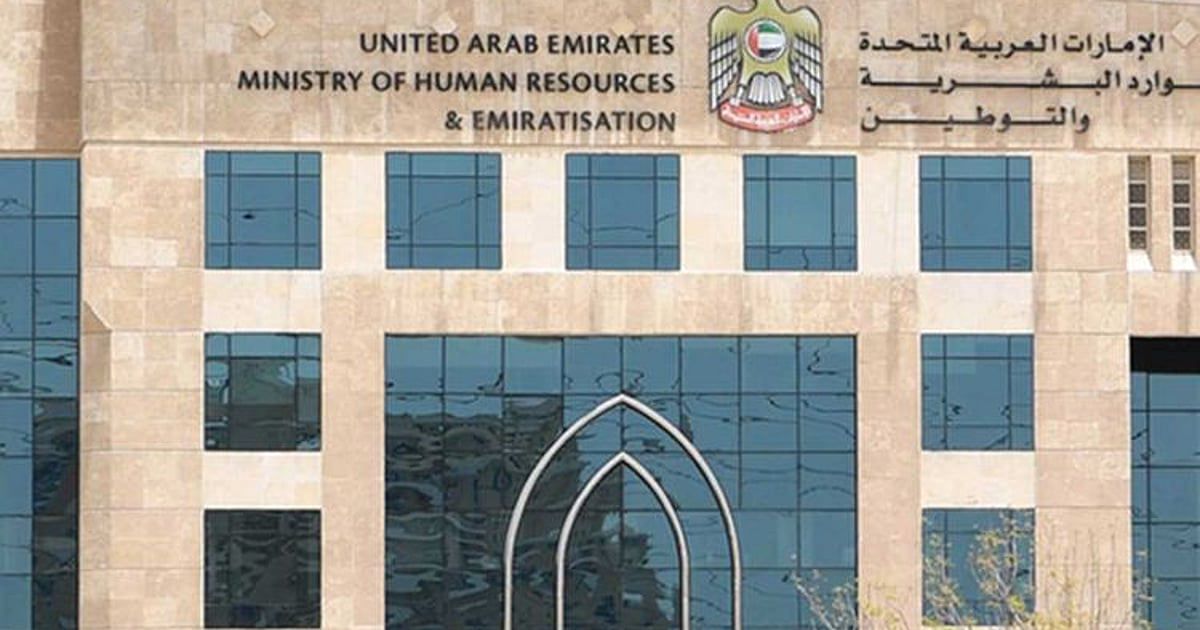
The UAE's Ministry of Human Resources and Emiratisation (MOHRE) has introduced a new monitoring layer to its Wage Protection System, aimed at catching salary delays before they escalate into labour disputes. The system, which tracks more than Dh37 billion in monthly wage payments across the country, will now automatically flag employers the moment a payment is delayed and send notifications giving them a window to correct the issue before any administrative penalties kick in.
Officials say the change targets labour-intensive industries where wage protection complaints are most common: construction, transport, security services and cleaning. These sectors employ a large share of the UAE's blue-collar workforce, many on fixed monthly salaries with limited bargaining power if payments slip.
MOHRE was careful to stress that the update does not create new legal obligations for businesses. Instead, it formalises and speeds up a process that was already in place, replacing a more abrupt enforcement model with a graduated one: alert first, correct the violation, and only escalate to penalties if the employer fails to act.
The move comes as the UAE continues to tighten oversight of labour practices, with repeat violators facing restrictions on issuing new work permits. Labour market analysts say an early-warning mechanism, rather than punitive-first enforcement, could improve trust among lower-income workers while giving businesses facing temporary cash-flow issues room to recover without immediately losing their ability to hire.
The ministry did not specify a rollout date for the new notification system but indicated it builds directly on the existing Wage Protection System infrastructure already used by employers across the country.