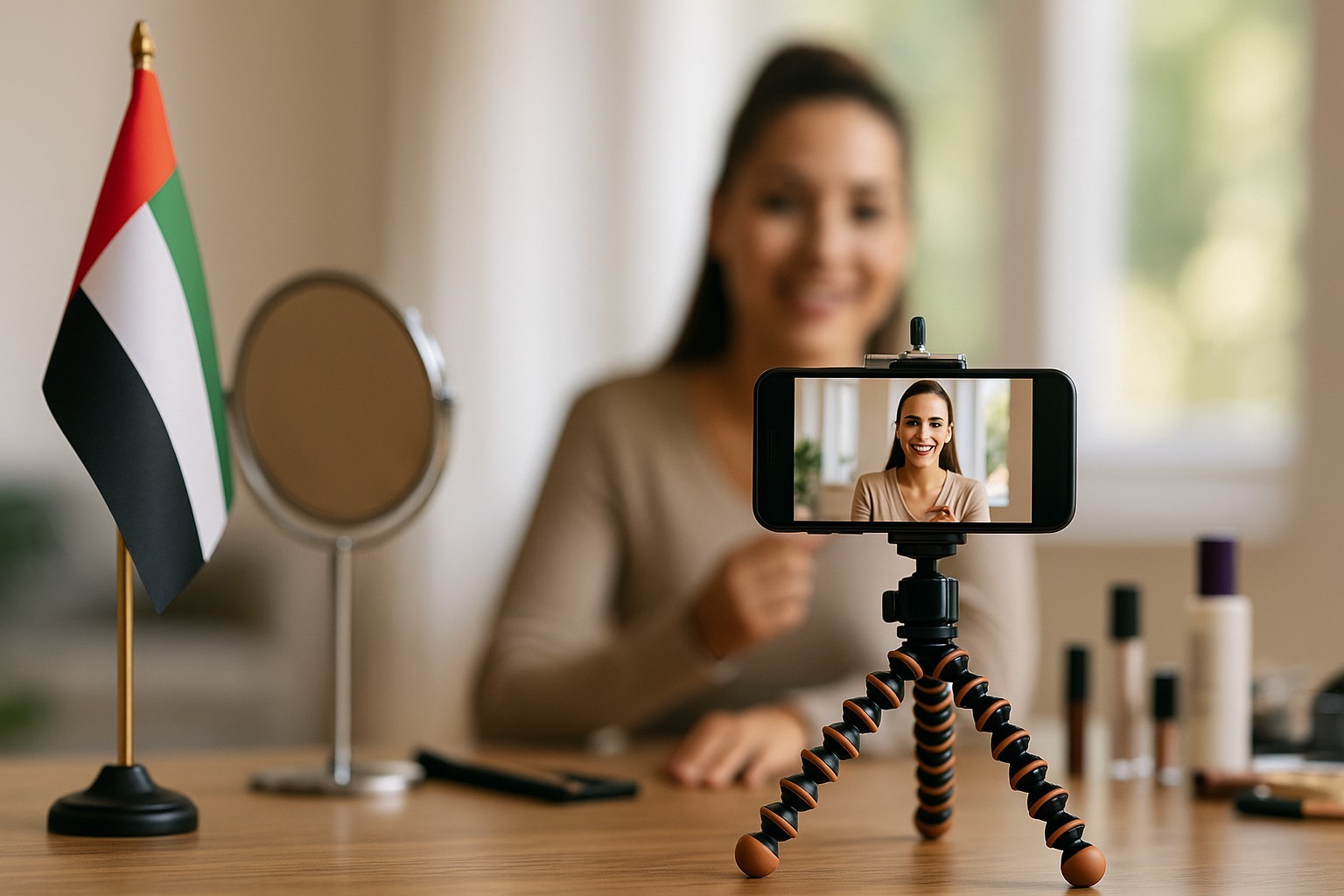
Dubai – The National Media Council of the United Arab Emirates has announced the official implementation of a new set of media regulations aimed at organizing the digital space, preventing the dissemination of misleading content, and increasing transparency in online advertising activities.
The new law, known as "Media Law No. 55 of 2023," will come into effect in late May 2025 and requires all individuals and entities, including influencers, bloggers, advertising platforms, and content creators, to obtain official licenses from media authorities.
📜 Purpose of the New Law This law is designed to create a unified framework for media and digital activities across the UAE. According to the Ministry of Culture and Youth, its main objectives are "to promote responsible content, support national security, respect cultural and religious values, and prevent the spread of false information."
The UAE government has emphasized that with the significant growth of digital media and advertising content on social networks, there was a felt need for stricter regulations to protect the rights of consumers and advertisers while also preserving the country's international image in the digital space.
💸 Table of Offenses and Penalties
media offenses are divided into two main categories: 1. Content-related offenses 2. Licensing-related offenses
🔹 Content-related Offenses: Dissemination of false or misleading information: Fine between 5,000 and 150,000 dirhams Promotion of anti-social or harmful behaviors for youth: Up to 100,000 dirhams Incitement to commit a crime or violence: Up to 150,000 dirhams Insulting religions or religious beliefs: Up to 1,000,000 dirhams Insulting the government system or state institutions: Between 50,000 and 500,000 dirhams Spreading rumors or unfounded news about the country’s foreign relations: Up to 300,000 dirhams
🔹 Licensing-related Offenses: Media activity without an official license: First offense: 10,000 dirhams Repeat offense: 40,000 dirhams Creating a media or advertising account without approval: First offense: 20,000 dirhams Repeat offense: 50,000 dirhams Failing to renew a license after the expiration date: Daily fine up to 5,000 dirhams Selling goods or services through social networks without a commercial license: Fine up to 500,000 dirhams and account suspension
⚖️ Social and Economic Dimensions this law not only brings the activities of influencers and advertising agencies under legal control but also serves as a form of standardization for the digital advertising market in the UAE. Many media experts believe that this move will enhance public trust and elevate the professionalism of content creators. "Anyone who uses the digital space for income must be accountable for their content and adhere to the ethical, religious, and cultural frameworks of the country."
🌍 Reactions from Media Activists Some stakeholders in this field believe that the new law could lead to a reduction in low-quality content and misleading advertisements, but they have also warned that the licensing process must be simple and transparent to avoid hindering the growth of small businesses and independent creators.
Several digital agencies in Dubai have announced that they are preparing special training courses to familiarize influencers with the new law and the requirements for obtaining a media license.
🧾 Summary The new media law in the UAE represents an important step towards regulating the digital space and online advertising. However, its successful implementation requires close cooperation among the government, platforms, agencies, and users.
Under this law, any media or advertising activity conducted without an official license may result in financial penalties, account suspension, and, in specific cases, even legal action.
The UAE government has emphasized that the primary aim of this law is not to "restrict freedom of expression," but rather to establish order, transparency, and accountability in the country's media ecosystem so that the UAE can maintain its position as a leading hub for digital media in the Middle East.