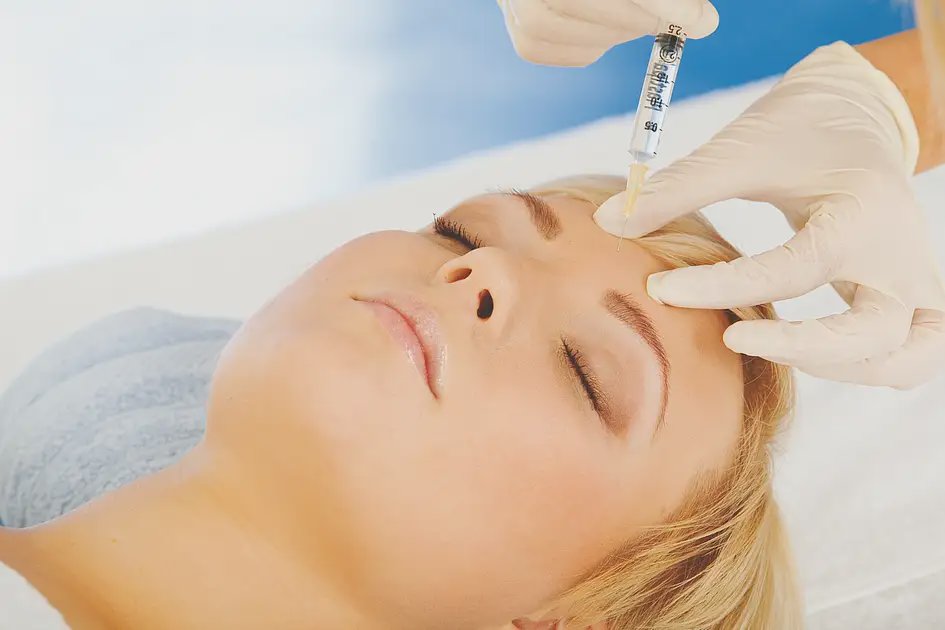
Doctors in the UAE have warned against the growing popularity of exosome-based cosmetic treatments for skin and hair, cautioning that social media before-and-after photos should never replace proper medical advice.
Exosomes are tiny extracellular vesicles that carry proteins, lipids and genetic material between cells. In aesthetic medicine, they are marketed as a way to rejuvenate skin and stimulate hair growth, and the treatment has gained a strong following in the UAE.
Dr Bobby Koshy, a dermatology specialist at LLH Hospital in Musaffah, and Dr Sandra Moawad Takla, a consultant dermatologist at Emirates Specialty Hospital, told Khaleej Times that long-term safety data on these treatments remains limited. They stressed that the lack of manufacturing standardisation means potency and purity can vary significantly between providers.
The doctors said improperly screened or sterilised products carry a risk of infection or exposure to bacterial toxins, and some potential cancer-related risks are still under investigation. Saudi Arabia's Ministry of Health has also opened an inquiry into the treatment.
UAE regulators, including the Dubai Health Authority, the Department of Health – Abu Dhabi, and the Ministry of Health and Prevention, are advising residents to avoid untrained practitioners, unusually large discounts and guaranteed-result promises, and to check a product's authorisation and a practitioner's credentials before undergoing treatment.