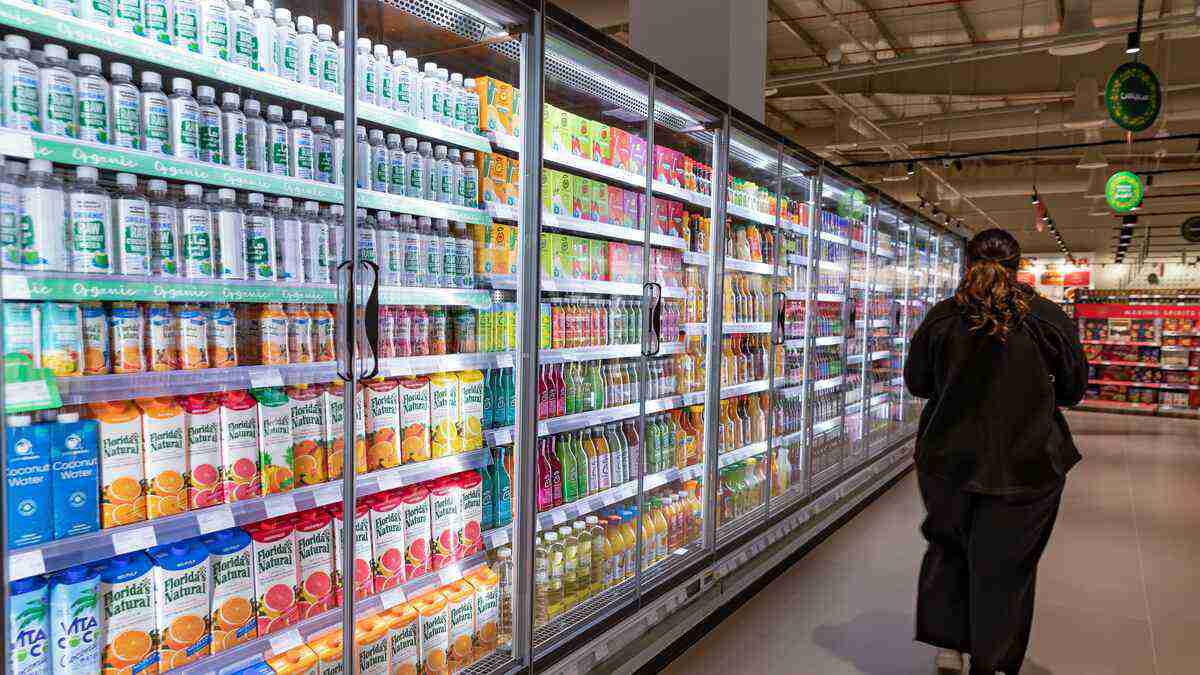
The UAE government approved new regulations on Tuesday, October 6, limiting the amount of sodium, sugar and fat permitted in packaged food products, covering both locally manufactured and imported goods. The move is part of the country's broader push to improve public health among citizens and residents.
Under the new rules, implementation will be phased in starting immediately, with final limits required to be fully met by the end of 2030. The regulations apply to packaged food manufacturers, distribution businesses and companies operating within free zones. Non-compliant businesses face fines of up to Dh500,000, suspension of operations for as long as six months, and potential cancellation of their trade licence.
Dr Ahmed AlKhazraji, Executive Director of the Healthy Living programme, said: "Our mission is clear: to make healthy living the easy choice for every citizen."
The measure builds on a string of health-focused policies the UAE has introduced in recent years to curb diet-related illness. These include excise taxes introduced in 2017 on tobacco and energy drinks, extended in 2019 to e-cigarettes and sugar-sweetened beverages, and this year's introduction of a variable sugar tax on drinks, restrictions on supermarket shelf placement for high-sugar products, nutrition monitoring in schools, and limits on fast-food advertising.
Together, these steps reflect a long-term, multi-pronged strategy by UAE authorities to reduce consumption of unhealthy food and push the food industry toward healthier standards across the country.