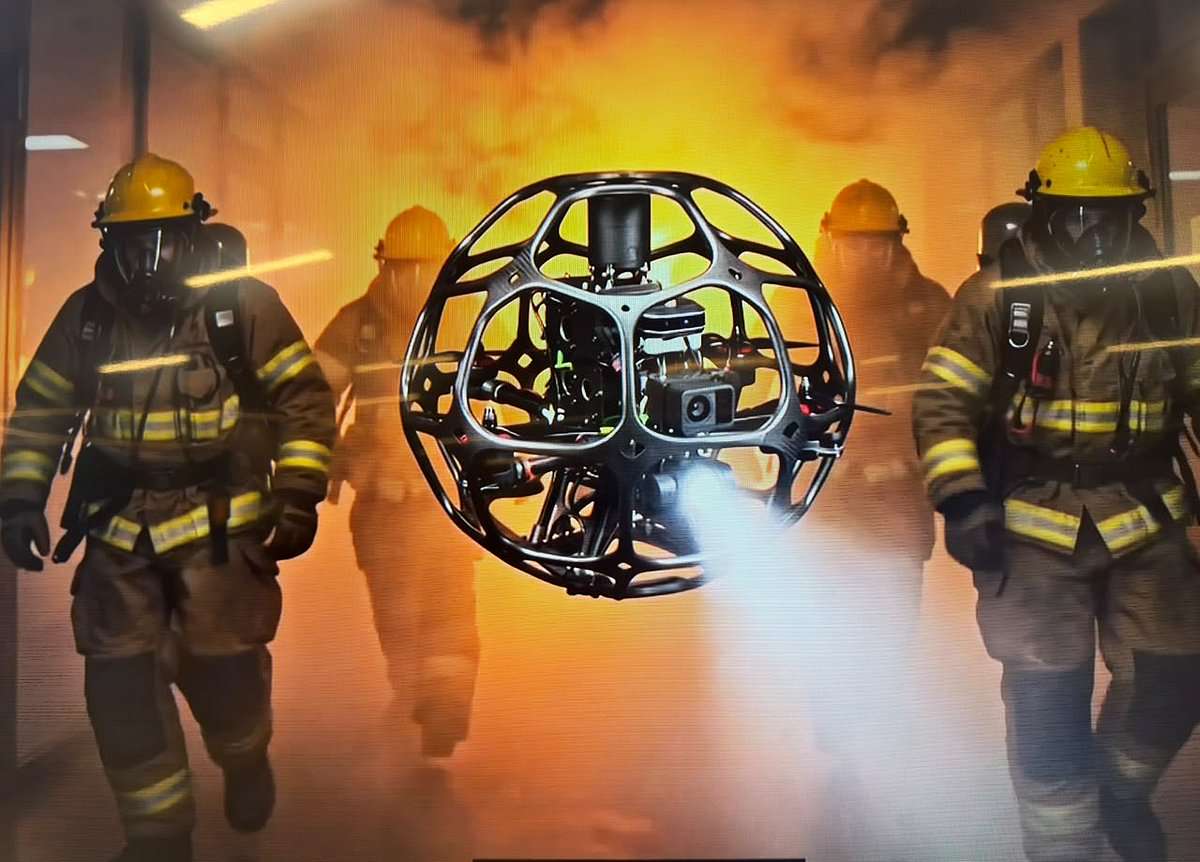
The UAE is adopting what officials call agentic AI — artificial intelligence capable of acting with a degree of independence — to reshape how firefighters and emergency crews respond to disasters, according to officials who spoke at a forum in Dubai on Thursday.
Major General Dr Jassim Mohammed Al Marzooqi, Director General of the Federal Authority for Ambulance and Civil Defence, said the shift is intended to sharpen both prevention and response. "We are transforming our operations to use agentic AI, so we can improve protection and response," he told the gathering, which was also attended by Ahmed bin Ali Al Sayegh, Minister of Health and Prevention and chairman of the authority.
Under the initiative, every civil defence directorate across the country will appoint an AI ambassador tasked with testing and sharing best practices for deploying the technology operationally. Officials say the broader goal is to cut the number of fires, and the casualties and losses that follow, by forecasting risk before incidents occur, including mapping hotspots so crews can be positioned in high-risk areas in advance.
Three new tools were unveiled at the forum. Kashif, a drone built to withstand extreme heat, uses millimetre-wave radar and 3D mapping to navigate burning buildings and locate trapped occupants. Najda is a wrist-worn device that tracks a firefighter's vital signs against a personalised AI baseline and can trigger an SOS automatically. Athar combines drones and ground rovers for search-and-rescue missions lasting up to 72 hours after a disaster, using a self-forming communication network when standard infrastructure fails.
Lieutenant Colonel Dr Essa Ahmed Al Mutawa, who heads the civil defence authority's artificial intelligence department, said the technologies were developed locally and will go through pilot testing before wider rollout.